User Data Insights Reveal How Matched Deposit Offers Have Changed in New Gaming Apps
Written by Jonas Vogel · Aug 1, 2026
User Data Insights Reveal How Matched Deposit Offers Have Changed in New Gaming Apps
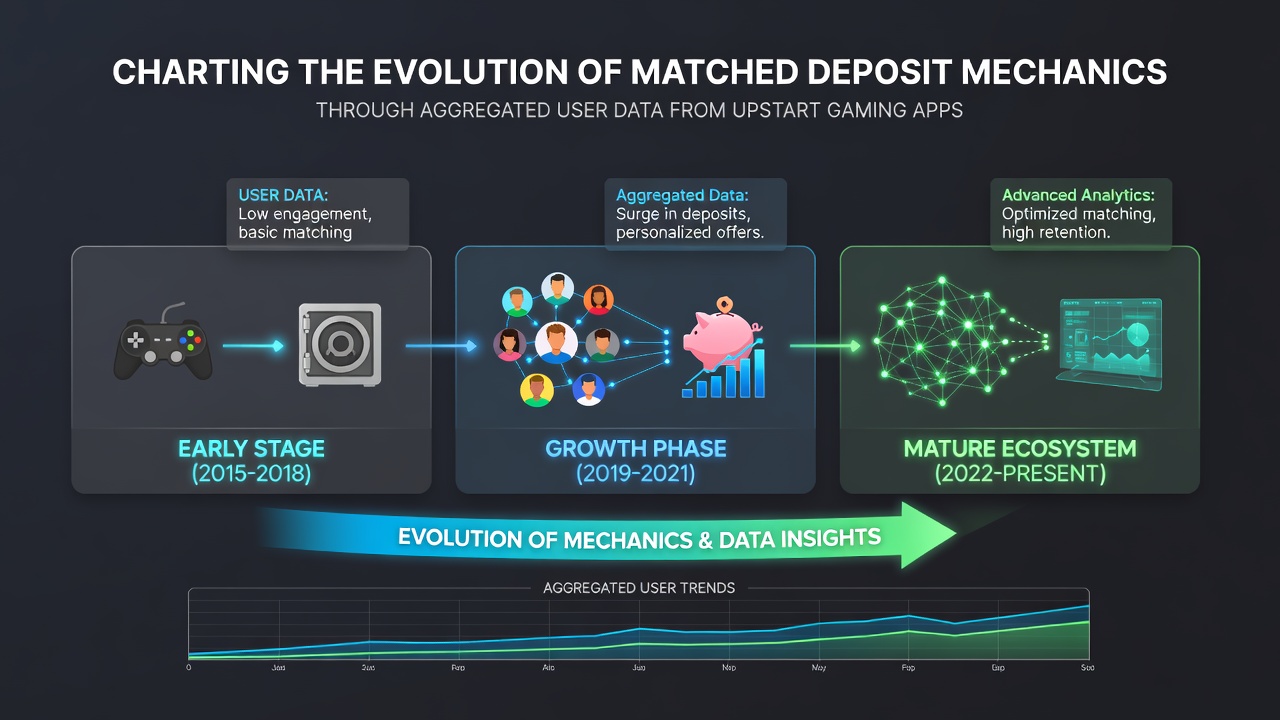
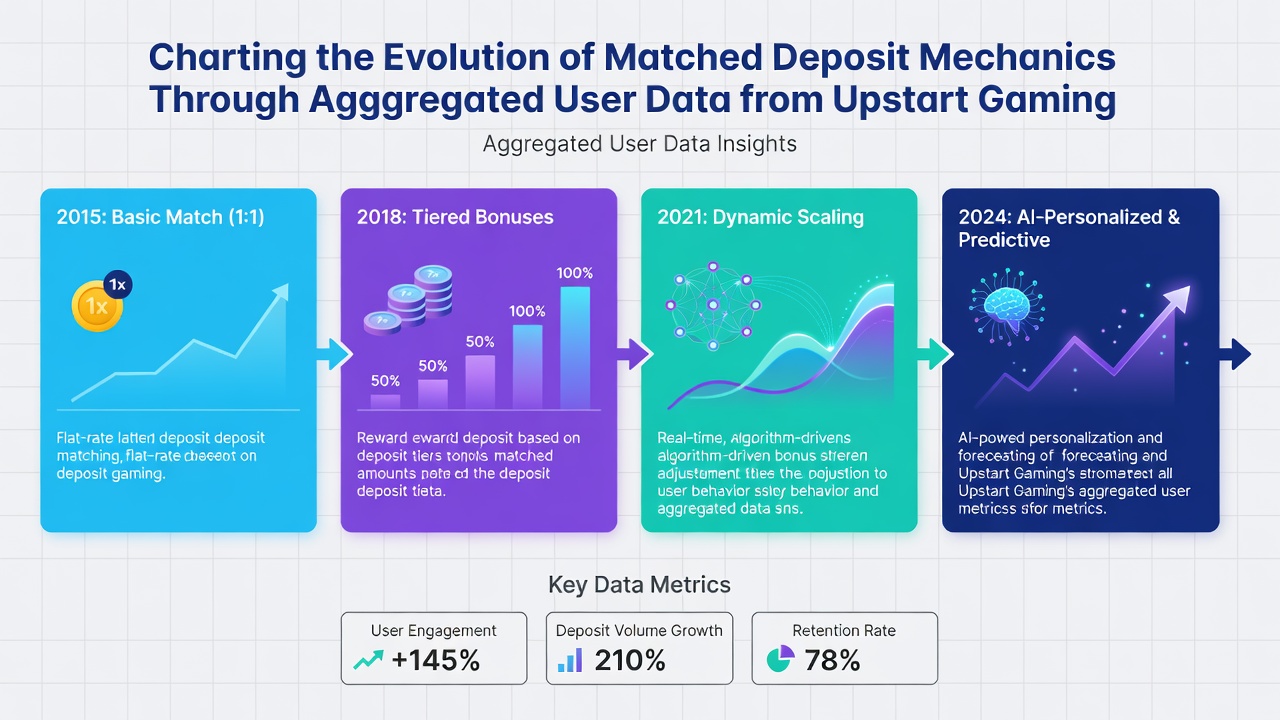
Matched deposit mechanics have undergone measurable shifts in recent years as upstart gaming apps collect and analyze user behavior at scale. Aggregated datasets from these platforms show that initial match percentages often started near 100 percent with standard wagering multipliers, yet by mid-2025 many apps adjusted terms to include tiered structures that reward higher deposits with proportionally larger bonuses while capping maximum values to control liability.
Early Development Patterns in Deposit Matching
Platform operators launched with straightforward matching offers that appealed to first-time users seeking immediate play credits, and data from multiple apps indicated strong uptake when the match reached 100 percent up to a fixed limit. Researchers tracking these trends noted that average deposit sizes clustered around the bonus cap, which encouraged apps to test 150 percent and 200 percent matches during promotional windows to stimulate larger transactions while monitoring redemption rates closely.
By late 2024, aggregated metrics revealed that users who received higher match percentages tended to complete fewer wagering requirements before withdrawing, prompting several apps to introduce time-limited deposit windows that reset weekly. This adjustment coincided with increased retention among users who returned during those specific periods rather than spreading activity evenly across the month.
Data Aggregation Methods and Key Metrics
Upstart apps compile anonymized transaction logs, deposit frequencies, and bonus redemption patterns to identify which mechanics drive repeat engagement. These datasets typically include variables such as match percentage, maximum bonus amount, wagering multiplier, and game eligibility restrictions, allowing analysts to correlate changes in one element with shifts in user behavior across thousands of accounts.
Figures compiled through August 2026 demonstrate that apps adopting dynamic matching based on user deposit history achieved higher average session lengths compared with static offers that remained unchanged for extended periods. Observers note that segmentation by deposit volume helped platforms tailor matches more precisely, reducing instances where high-volume users felt the bonus added little incremental value.
One analysis of aggregated records from platforms launched after 2023 found that lowering the wagering requirement from 40x to 25x produced a measurable uptick in completed bonus cycles, even when the match percentage stayed constant. This pattern appeared consistently across apps operating under different regional licenses, suggesting the relationship holds independent of specific regulatory environments.
Regional Variations and Regulatory Influences
Apps serving users in markets regulated by the Nevada Gaming Control Board incorporated stricter game contribution rules into matched deposit terms, which data showed led to slower bonus clearing but steadier long-term play volumes. In contrast, platforms under Australian oversight adjusted maximum match caps more frequently in response to aggregated signals indicating user preference for smaller, more attainable bonuses that cleared within shorter timeframes.
Canadian provincial data, including reports from the Alcohol and Gaming Commission of Ontario, reflected similar patterns where apps that introduced deposit-match ladders based on cumulative spending saw improved month-over-month retention. These ladders typically started at 100 percent for the first deposit and increased to 150 percent once users reached predetermined thresholds, a structure that aggregated metrics linked to higher lifetime deposit totals.
Emerging Adjustments Through 2026
Through August 2026, several upstart apps began testing hybrid mechanics that combined a base match with additional free spins scaled to deposit size. Aggregated user data indicated these bundles increased initial engagement metrics while maintaining comparable clearance rates to traditional matches alone. The shift appears driven by platforms seeking differentiation in crowded app marketplaces where users encounter multiple competing offers simultaneously.
Apps also refined eligibility windows, shortening the period between deposit and bonus activation in response to data showing higher abandonment when delays exceeded 24 hours. Such modifications reflect ongoing calibration based on real-time behavioral signals rather than fixed promotional calendars.
Conclusion
Aggregated user data continues to guide refinements in matched deposit mechanics across emerging gaming platforms, with clear patterns emerging around percentage tiers, wagering multipliers, and time-bound activations. These adjustments respond directly to observed behaviors rather than assumptions, producing structures that align more closely with how users actually interact with deposit incentives. Continued monitoring of these metrics will likely shape further iterations as new apps enter the market and existing ones scale their offerings.