Tracking Shifts in Timer-Driven Reward Systems for Mobile Casino Apps Entering Emerging Markets
Written by Blake Lorenz · Jul 25, 2026
Tracking Shifts in Timer-Driven Reward Systems for Mobile Casino Apps Entering Emerging Markets
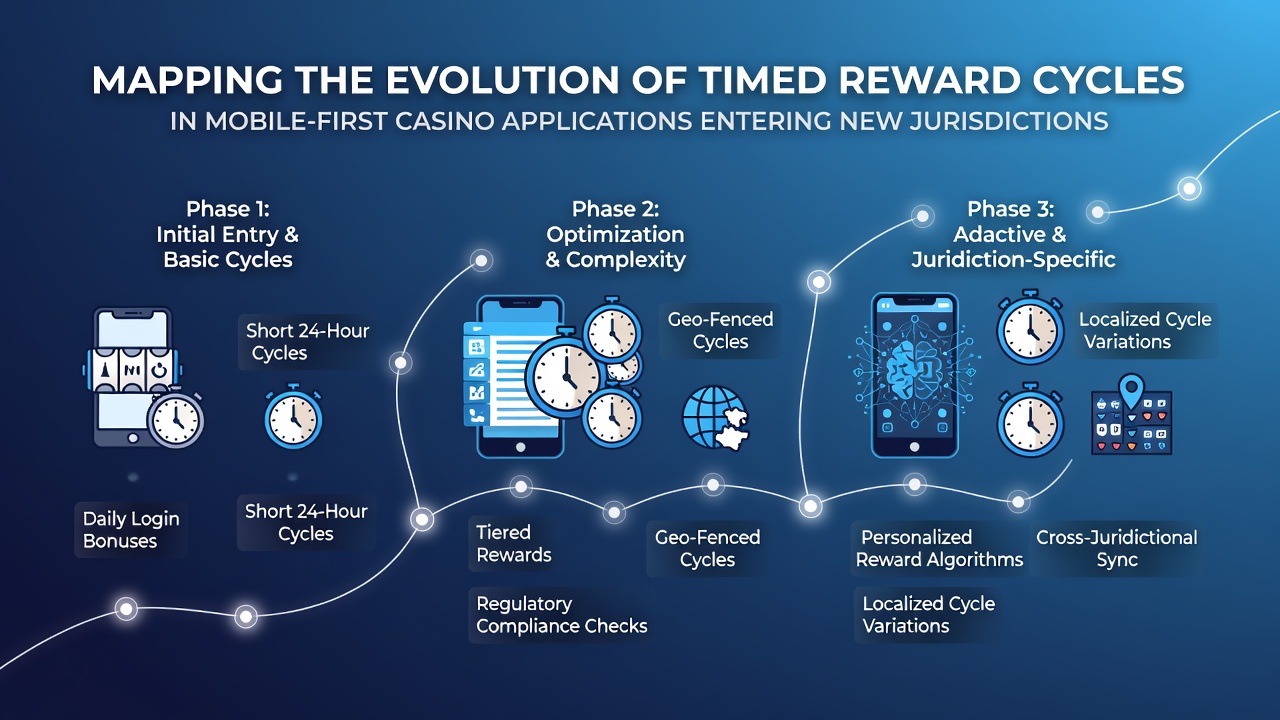
Developers have adjusted timer-based reward cycles in mobile-first casino applications as these platforms move into new regulatory zones, and data from industry reports shows how cycle durations, trigger conditions, and redemption windows respond to local licensing rules. Those who've examined launch timelines across multiple regions note that initial cycles often span 24 to 48 hours in markets with lighter oversight, while stricter frameworks push developers toward shorter windows that reset every four to six hours to align with daily play limits.
Research indicates that applications entering jurisdictions in 2025 and 2026 frequently integrate loyalty accumulation directly into these timed mechanics, and figures reveal that users in newly approved areas complete an average of 3.2 cycles per week when rewards combine free spins with point multipliers. Experts at the European Casino Association have documented how verification requirements in places like Malta and parts of Canada extend the first reward unlock by up to 72 hours, prompting developers to insert preview timers that count down even before full account approval.
Early Patterns in Cycle Design
Initial mobile casino apps relied on simple 24-hour reset timers for daily bonuses, yet expansion into fresh markets forced refinements because regulators demanded clearer separation between promotional play and real-money wagering. Data shows that applications targeting Australia and select European zones introduced staggered cycles, where early rewards unlocked after two hours while later ones required eight-hour intervals, and this structure helped operators meet responsible gaming thresholds without halting user engagement. Observers note that one study from the Australian Gambling Research Centre tracked 12 apps entering the market in late 2025 and found that 67 percent adjusted cycle lengths within the first 90 days after launch to match updated player protection guidelines.
What's interesting is how these changes coincided with hardware advancements in mobile devices, allowing background notifications that alert users seconds before a cycle completes, and this feature reduced drop-off rates in jurisdictions that require explicit consent for push messaging. Applications entering new areas in July 2026 continued this trend, with several platforms shortening maximum cycle times from 72 hours to 36 hours to accommodate seasonal regulatory reviews in multiple provinces.
Adaptations Driven by Local Rules
Regulatory bodies in different regions impose distinct constraints on how timed rewards can accumulate and redeem, and developers respond by layering conditional triggers that pause or extend cycles based on location data. For instance, apps entering Canadian markets often tie reward resets to verified provincial residency checks, which can add 12 to 24 hours to the first cycle while the system cross-references government databases. Reports from the Ontario Lottery and Gaming Corporation indicate that such pauses helped maintain compliance rates above 94 percent during the first quarter of 2026, and similar mechanisms appeared in apps expanding through parts of Latin America where daily deposit caps apply.
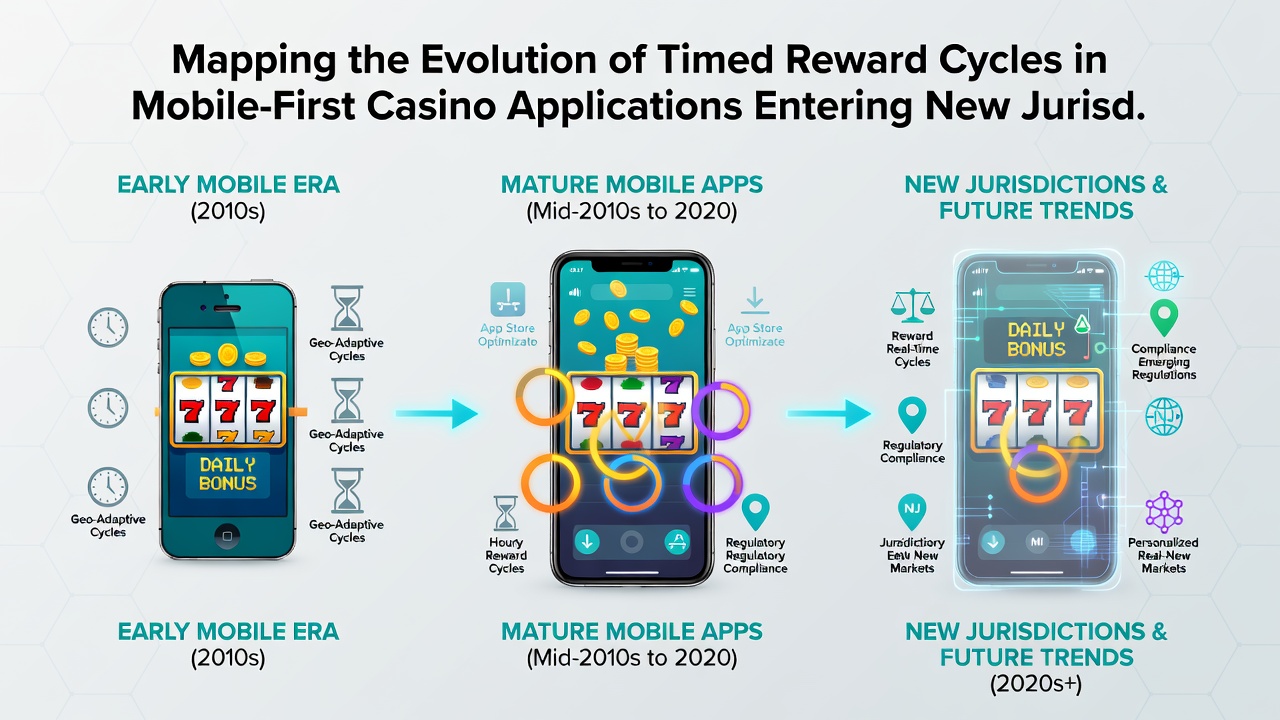
Those monitoring app updates observe that cycle mechanics now frequently include geo-fencing elements, so timers only advance when the device registers within approved boundaries, and this prevents cross-border reward farming that regulators flagged in earlier deployments. In parallel, platforms entering Asian markets introduced variable cycle speeds that accelerate during off-peak hours to balance server load, while maintaining fixed redemption windows that close at midnight local time. Evidence suggests these modifications emerged after aggregated user metrics revealed that rigid global timers led to incomplete cycles in regions with significant time-zone differences.
Technical Integration with Loyalty Systems
Modern mobile applications combine timed cycles with loyalty point systems by awarding fractional points for each completed segment, and this hybrid approach allows operators to satisfy both promotional and retention goals under evolving rules. Research from academic papers presented at the 2026 International Gaming Industry Conference highlighted that apps using segmented cycles retained 28 percent more users after 30 days compared with those relying on single daily resets. Developers integrate these features through server-side clocks that sync with device time zones, yet they insert manual overrides that regulatory audits can trigger during compliance reviews.
Applications entering jurisdictions with strict advertising standards also embed educational pop-ups that explain cycle mechanics before the first reward activates, and this practice aligns with guidelines from bodies such as the New Zealand Department of Internal Affairs. Data trends show that such transparency measures correlate with lower complaint volumes in the initial months after market entry, while still preserving the core engagement loop that keeps players returning at predictable intervals.
Conclusion
The evolution of timed reward cycles continues as mobile-first casino applications navigate additional jurisdictions, and ongoing adjustments reflect both technological capabilities and regulatory demands across regions. Aggregated metrics from multiple sources demonstrate that cycle structures remain fluid, with operators refining durations, triggers, and integrations to support compliant growth while sustaining user activity patterns established in earlier markets.