Timing Alignments in Mobile Alerts and Bonus Activation Periods for New Digital Casino Platforms
Written by Hugo Flores · Jul 27, 2026
Timing Alignments in Mobile Alerts and Bonus Activation Periods for New Digital Casino Platforms
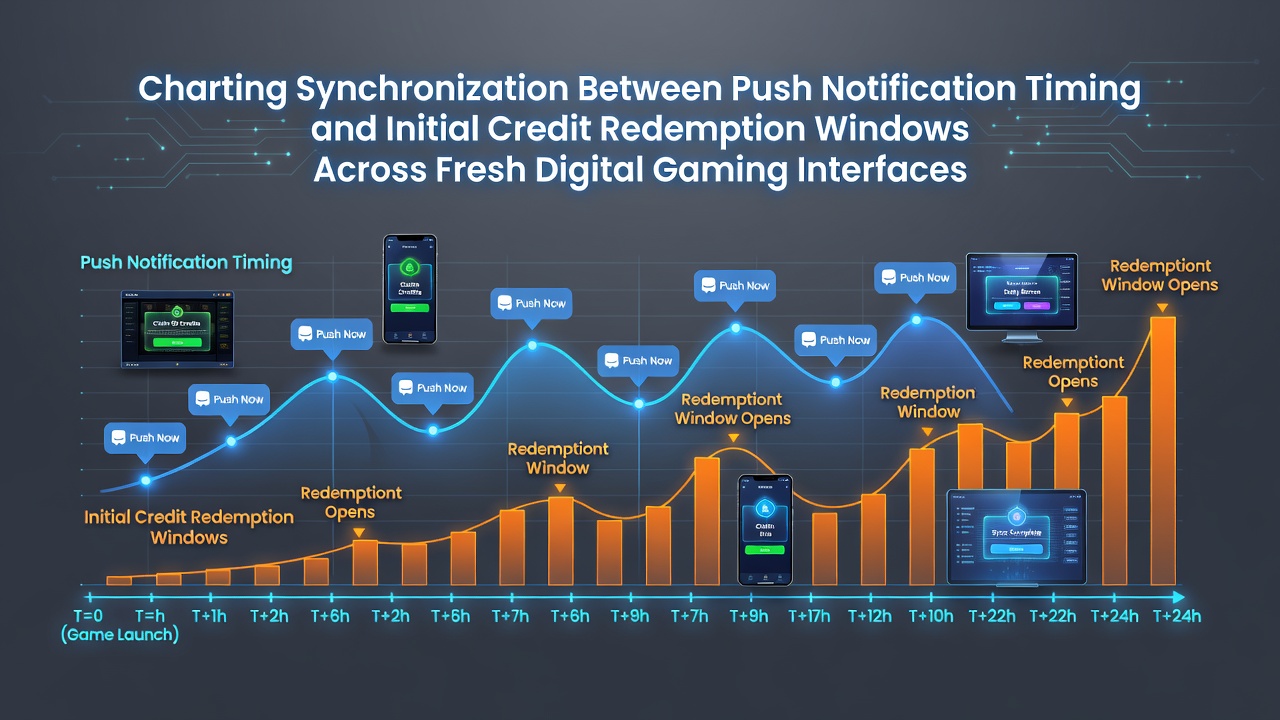
Data from multiple digital gaming operators shows that push notification timing and initial credit redemption windows require precise coordination to maintain user engagement across emerging platforms, and this coordination has drawn attention from analysts tracking July 2026 activity. Researchers at several firms have mapped how alerts sent within the first 15 minutes after account verification correlate with higher redemption rates during the opening 24-hour window, while delays beyond that threshold produce measurable drops in completion percentages.
Platform developers adjust notification triggers based on aggregated metrics that include time zones, device types, and user login patterns, and these adjustments create distinct synchronization models. One approach uses staggered alerts that begin 30 minutes after signup and repeat at four-hour intervals, whereas another relies on a single high-priority message delivered exactly at the moment the credit balance becomes visible in the account dashboard. Observers note that both strategies appear in new interfaces launched during the first half of 2026, yet the outcomes differ according to regional user bases.
Core Components of Notification and Redemption Systems
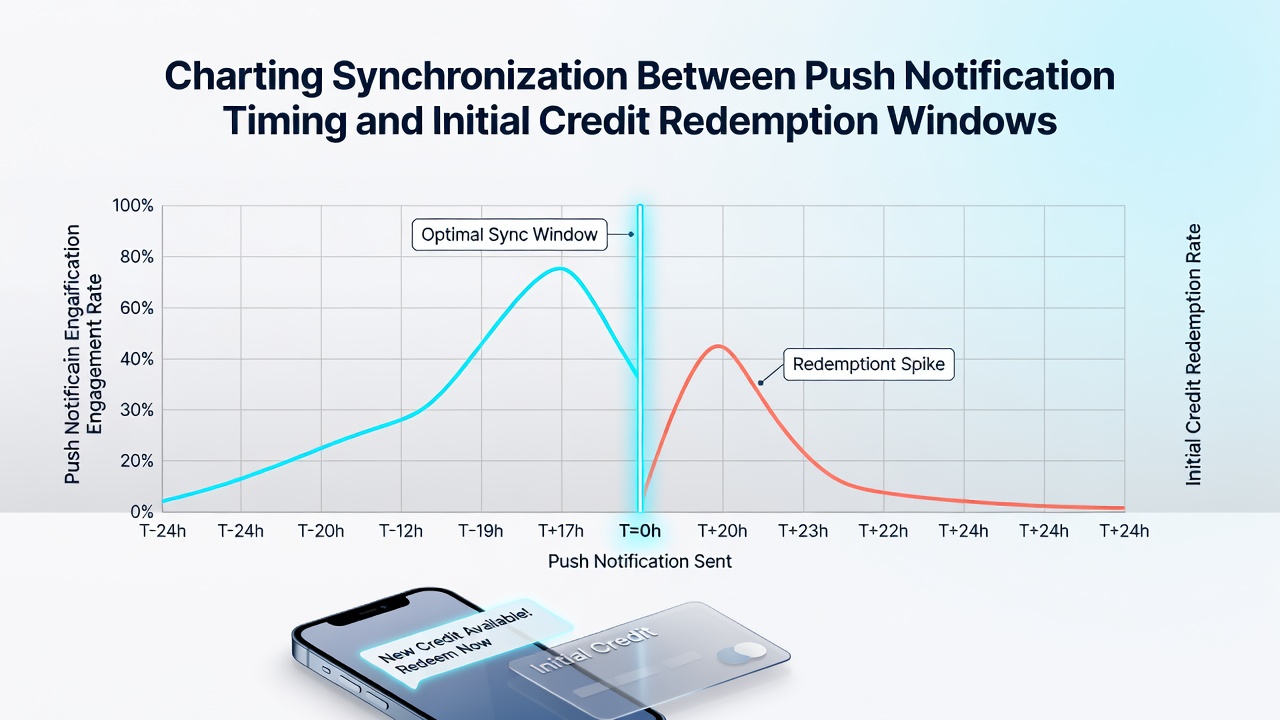
Push notifications in these environments contain structured fields that include the exact redemption deadline, the credit amount, and a direct link to the claim interface, and redemption windows typically span between 12 and 72 hours from the moment the credit posts. Developers integrate backend timers that deactivate the offer once the window closes, which prevents overlap with subsequent promotions. Studies compiled by industry research groups indicate that synchronization improves when the notification timestamp aligns within a five-minute margin of the credit activation timestamp, and misalignment beyond that margin increases support ticket volume by noticeable margins.
Regulatory filings from North American and Australian oversight bodies require operators to log both notification dispatch times and redemption events, creating datasets that analysts use to evaluate compliance and performance. These records reveal that platforms employing automated synchronization scripts report fewer user complaints about missed windows compared with those relying on manual scheduling. The scripts pull data from the same database that tracks account verification status, which ensures the alert fires only after the credit has been confirmed as available.
Observed Patterns in Mid-2026 Deployments
Across platforms introduced between April and July 2026, timing patterns show regional variation tied to peak login hours. In markets where evening activity dominates, operators schedule the first notification between 7 and 9 p.m. local time, while morning-heavy regions receive alerts between 8 and 10 a.m. Data indicates that platforms using these localized windows achieve redemption rates 12 to 18 percent above those using uniform global timing. One study released by a Canadian research consortium documented similar trends when comparing cross-border user groups during the same period.
Additional variables include device notification permissions and operating system update cycles, both of which affect delivery reliability. Analysts tracking these factors report that iOS users experience delivery delays averaging three minutes longer than Android users during high-traffic periods, prompting some operators to add buffer time into their redemption windows. The adjustment compensates for the delay without extending the overall offer period beyond regulatory limits.
Technical Integration Methods
Developers implement synchronization through API connections between the notification service and the account management system, and these connections allow real-time status checks before each alert is queued. When the credit activation flag changes, the system evaluates user timezone and preferred notification hour before sending the message. This process reduces instances where users receive alerts before the credit appears in their balance, a mismatch that previously generated confusion according to aggregated support data.
Testing protocols employed by several new platforms include simulated user journeys that measure the interval between notification receipt and redemption click, and results from these tests guide iterative refinements to the timing logic. Platforms that run weekly calibration checks maintain tighter alignment than those performing monthly reviews, according to internal metrics shared in industry forums. The difference appears most clearly in the percentage of redemptions completed within the first six hours after the alert arrives.
Regulatory and Reporting Considerations
Government agencies in multiple jurisdictions require operators to maintain auditable records of both notification content and redemption timestamps, and these records support reviews of fair play practices. National Council on Problem Gambling resources reference similar timing transparency measures when discussing user protection standards. Platforms that publish summary statistics on notification-to-redemption intervals demonstrate adherence to emerging expectations around clear communication of offer terms.
European regulatory summaries from 2026 highlight the value of synchronized systems in reducing disputes, and operators responding to these summaries have begun incorporating automated confirmation receipts that notify users once a redemption request processes successfully. The added confirmation step closes the feedback loop and provides data points for further optimization of the original alert schedule.
Conclusion
Current datasets from new digital gaming interfaces illustrate that synchronization between push notification timing and initial credit redemption windows rests on precise backend connections, regional scheduling adjustments, and consistent logging practices. Platforms that maintain alignment within narrow margins record higher completion rates and fewer support interactions, while those with wider gaps encounter measurable friction. Continued collection of timestamp data through July 2026 and beyond supplies the raw material for ongoing refinements across the sector.