The Historical Development of Incentive Redemption in Casino Software Systems
Written by Jonas Vogel · Jul 15, 2026
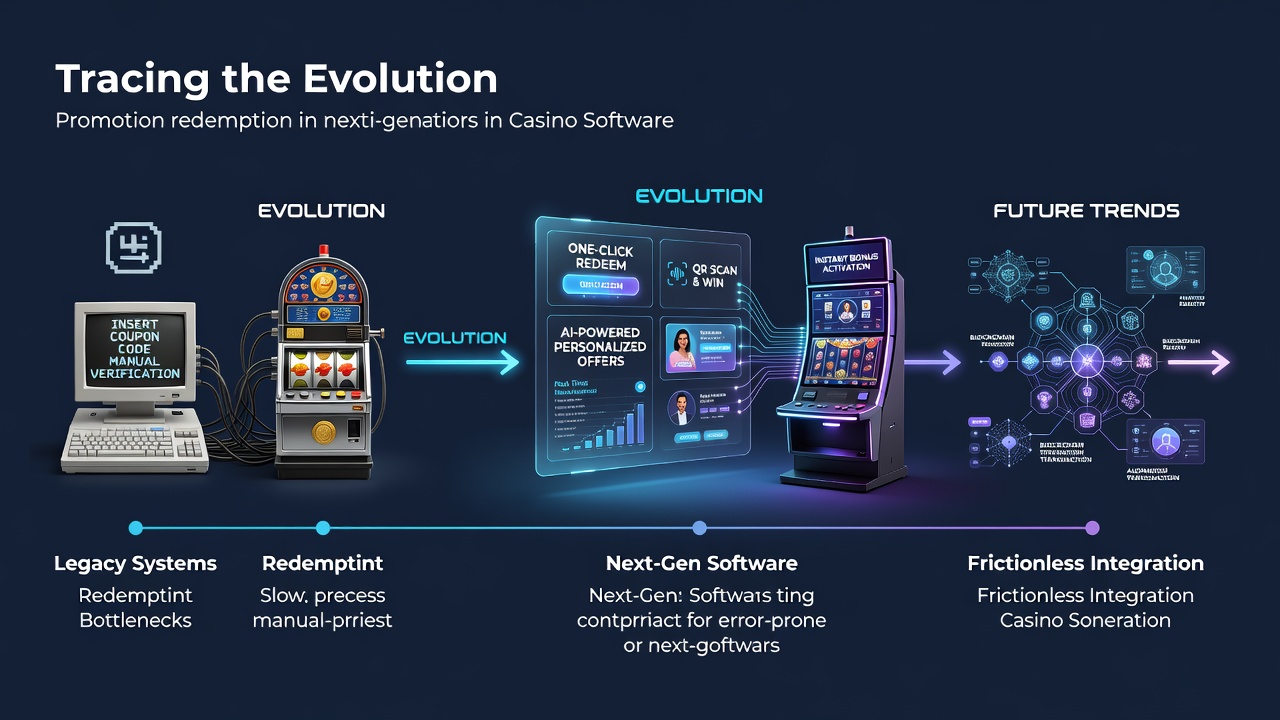
The Historical Development of Incentive Redemption in Casino Software Systems
Promotion redemption flows in casino software have moved through distinct phases since the early days of online gaming platforms, and data from industry reports shows clear patterns of increasing automation alongside stricter compliance requirements. Early systems relied on manual code entry where players typed strings into basic web forms, and operators verified each claim through separate backend processes that often took hours or even days to complete.
Initial Stages of Digital Bonus Handling
Back in the late 1990s and early 2000s, redemption typically involved players contacting support teams after entering codes, and records indicate that many platforms stored these interactions in simple databases without real-time checks against wagering rules. Regulatory filings from bodies such as the Nevada Gaming Control Board highlight how these manual steps created bottlenecks, especially as player volumes grew and operators expanded across multiple jurisdictions. Those who studied early platforms note that verification often depended on email confirmations sent to staff, which delayed access to play credits and increased error rates during peak periods.
By the mid-2000s, some developers introduced basic scripts that auto-validated codes against predefined lists, yet integration with player accounts remained limited and required separate logins for different game sections. Research from the Canadian Gaming Association points to gradual adoption of centralized databases that allowed redemption flows to connect directly with account balances, reducing the need for manual intervention in routine cases.
Integration of Compliance and Automation Features
Advancements in the 2010s brought API connections between promotion engines and regulatory reporting tools, so platforms could track redemption events automatically while maintaining audit trails required by licensing authorities. Observers note that this period saw the addition of real-time eligibility checks based on location data and account history, which helped operators meet varying rules across regions without separate manual reviews for every claim.
Software vendors began embedding conditional logic that adjusted offer parameters on the fly, and figures from trade group publications reveal rising use of these dynamic systems among operators handling cross-border traffic. One study released by academic researchers at the University of Nevada, Las Vegas examined how these changes cut processing times while preserving compliance records for review by oversight agencies.
Modern Capabilities in Next-Generation Platforms
Current next-generation casino software incorporates machine learning models that predict player behavior and trigger personalized redemption paths without requiring explicit code entry in many cases. Data indicates these systems pull from aggregated user metrics to determine eligibility instantly, and integration with mobile applications allows seamless transitions from signup to active play sessions. In July 2026, updates to several major platforms demonstrated expanded use of biometric verification steps within redemption flows, aligning with new standards issued by Australian regulatory bodies for enhanced security.
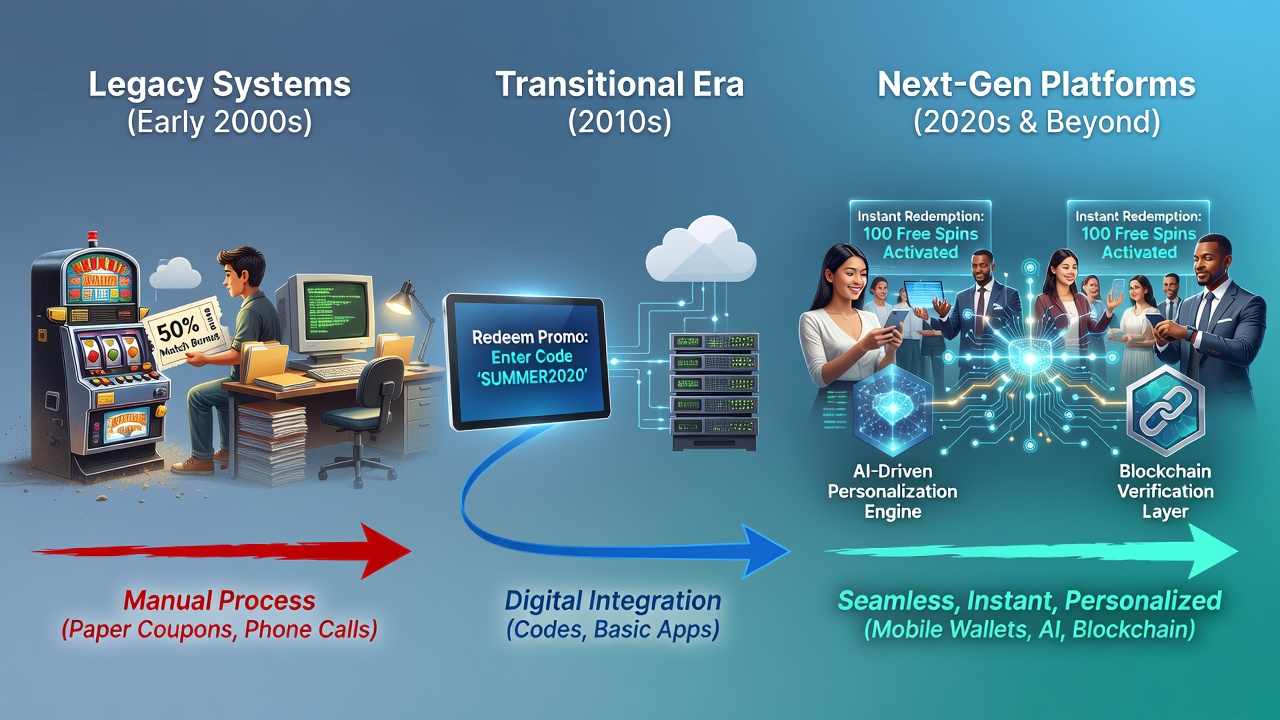
Multi-layered authentication now combines account-linked devices with transaction histories, and this approach has become standard among operators seeking licenses in multiple markets. Those who have reviewed platform documentation find that redemption flows often include built-in timers and progress trackers that update in real time across desktop and mobile environments simultaneously.
What's significant is the shift toward unified dashboards where players see available offers, redemption status, and remaining requirements in one view, and industry organizations report that such features correlate with higher retention rates according to aggregated performance data. External partnerships with payment processors have further streamlined the funding side of promotions, allowing instant crediting once conditions are met.
Regional Variations and Future Trajectories
Differences persist across jurisdictions, with some European markets emphasizing player-set spending limits within redemption interfaces while North American platforms focus on integration with state-level reporting systems. Recent analyses from the Asia Pacific Gaming Council show continued refinement of geo-fencing technologies that restrict or enable offers based on precise location data collected during the redemption sequence.
Developers continue testing blockchain elements for immutable records of promotion claims, though widespread deployment remains in pilot stages at select sites. These experiments aim to provide transparent logs that satisfy multiple regulatory frameworks without additional manual reconciliation steps.
Conclusion
The progression from manual code handling to automated, intelligent redemption systems reflects broader changes in casino software architecture driven by regulatory demands and technological capabilities. Records from licensing authorities and industry associations demonstrate steady improvements in speed and accuracy, while ongoing developments suggest further convergence between player interfaces and backend compliance tools in the years ahead.