Tailored Reel Rewards: The Role of Behavioral Analytics in Mobile Casino Spin Systems
Written by Hugo Flores · Jul 29, 2026
Tailored Reel Rewards: The Role of Behavioral Analytics in Mobile Casino Spin Systems
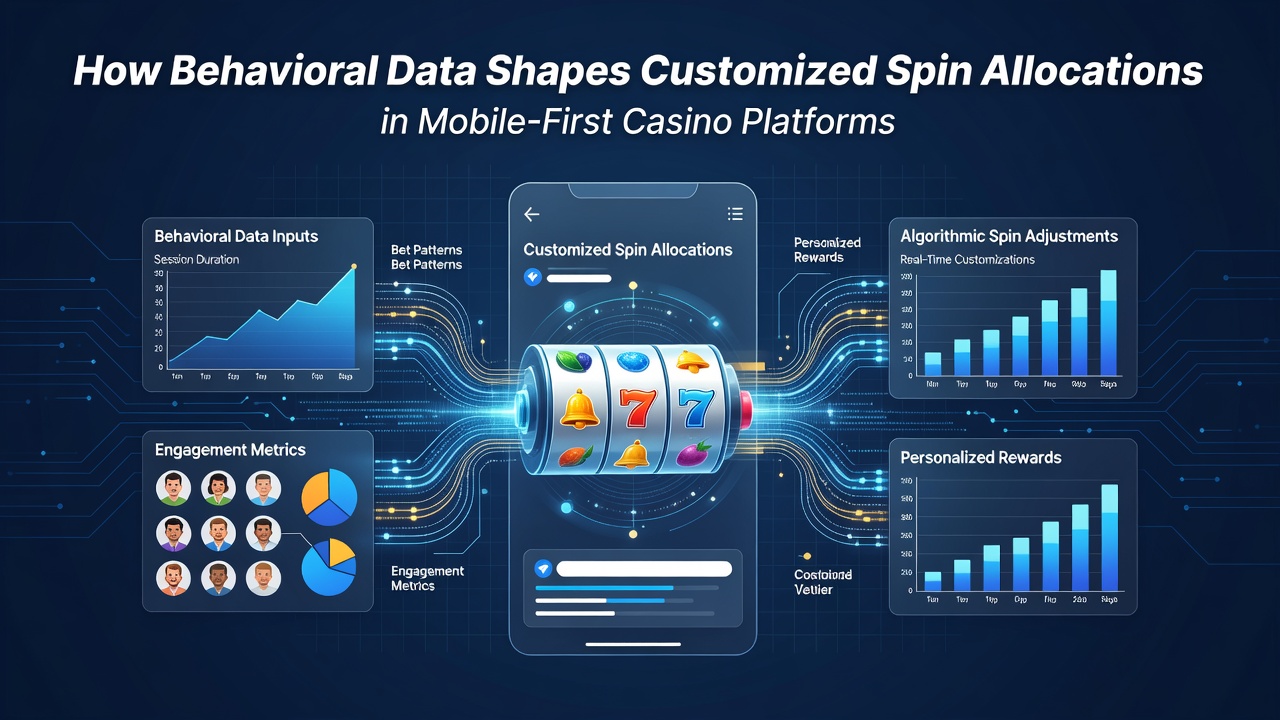
Behavioral data collection now drives how mobile-first casino platforms distribute customized spins, with operators monitoring session durations, bet patterns, and game selections to refine reward structures in real time. Platforms capture these signals through integrated tracking tools that log every interaction, then apply algorithms to match spin offers with individual play histories, and this process has accelerated as smartphone usage dominates the sector.
Data Collection Mechanisms at Work
Operators gather information from multiple touchpoints including login times, deposit frequencies, and feature engagement rates, while researchers at institutions such as the University of Nevada, Reno have documented how these datasets expand across millions of user sessions each month. Mobile apps record swipe speeds, pause intervals, and navigation paths that indicate preference shifts, and analysts combine these elements with demographic markers to build profiles that predict which spin volumes will sustain engagement without encouraging excess play. In July 2026, updated reporting from North American regulatory bodies highlighted a 14 percent rise in data-linked spin customizations compared with the prior year, showing that platforms increasingly rely on these inputs to differentiate offers across user segments.
Allocation Algorithms and Pattern Recognition
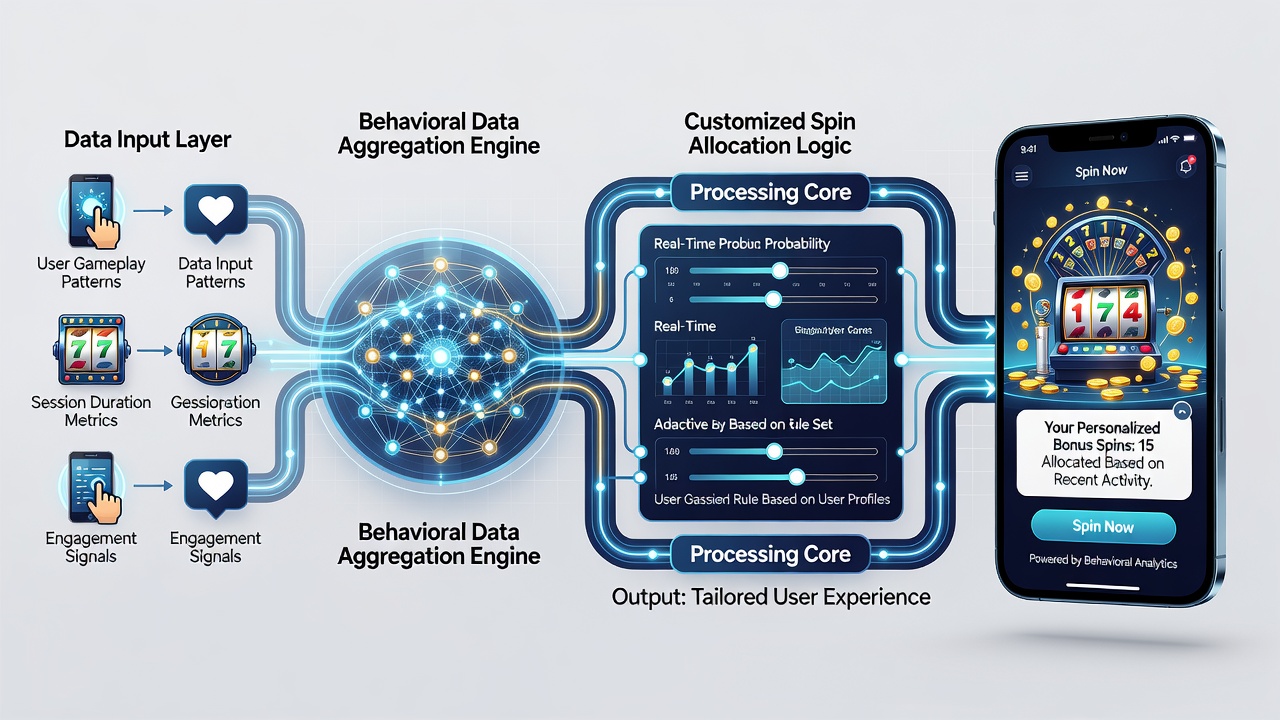
Algorithms process the collected metrics to determine spin quantities, values, and timing, with machine learning models adjusting parameters based on recent activity clusters rather than static rules. One study from the Australian Institute of Criminology examined how frequency-based triggers alter free spin grants, revealing that users who complete longer sessions receive incremental increases in allocation sizes while shorter, high-intensity patterns trigger smaller but more frequent rewards. Platforms integrate these outputs directly into app interfaces so that players encounter offers calibrated to their demonstrated behaviors, and this calibration occurs through automated systems that update daily or even hourly depending on traffic volumes.
Regional Implementation Differences
European operators under Malta Gaming Authority oversight apply stricter thresholds for data usage in spin personalization, requiring explicit consent layers before behavioral signals influence reward calculations, whereas Canadian provincial frameworks allow broader aggregation provided anonymization protocols remain intact. Observers note that these variations produce distinct allocation styles, with North American apps favoring volume-based bonuses tied to deposit streaks and Asian markets emphasizing time-of-day adjustments linked to peak mobile usage windows. A report issued by the National Council on Problem Gambling outlines how such geographic distinctions affect overall distribution volumes, and the findings indicate that platforms operating across borders maintain separate rule sets to comply with each jurisdiction while still optimizing for retention metrics.
Player Response and Platform Adjustments
Feedback loops close when platforms measure redemption rates and subsequent play volumes after customized spins land, allowing further refinement of the underlying models. Data from industry associations shows that users exposed to behavior-matched allocations demonstrate higher return rates within 48 hours than those receiving generic offers, and operators respond by expanding the feature sets that feed into the customization engine. Mobile developers incorporate A/B testing frameworks to validate new allocation rules before full rollout, and these tests run across segmented cohorts defined by prior engagement scores rather than broad demographics alone.
Technical Infrastructure Supporting Customization
Cloud-based processing handles the scale required for real-time adjustments, with edge computing nodes reducing latency so that spin offers appear instantaneously upon app launch. Security protocols encrypt behavioral profiles during transmission, and compliance teams audit access logs to prevent unauthorized use of the data streams. Integration with third-party analytics providers supplies additional layers such as device fingerprinting and network stability readings that indirectly influence how spins are weighted for different user groups.
Future Trajectories in Mobile Spin Personalization
Continued advances in predictive modeling promise tighter correlations between detected patterns and spin outcomes, while emerging standards from international gaming bodies aim to standardize minimum transparency requirements around data-driven allocations. Platforms that already operate at scale continue to iterate on these systems, incorporating new signals from augmented reality features and wearable integrations that expand the behavioral dataset even further.
Conclusion
Behavioral analytics now form the core mechanism through which mobile-first casino platforms allocate customized spins, with data collection, algorithmic processing, and regional compliance shaping every stage of the process. Observers continue to track how these systems evolve alongside regulatory updates and technological improvements, and the patterns established through 2026 provide a baseline for understanding subsequent developments in personalized gaming rewards.