Shifting Regulatory Landscapes Redefine Initial Play Credit Systems in Mobile Gaming Applications
Written by Frankie Ludwig · Jul 22, 2026
Shifting Regulatory Landscapes Redefine Initial Play Credit Systems in Mobile Gaming Applications
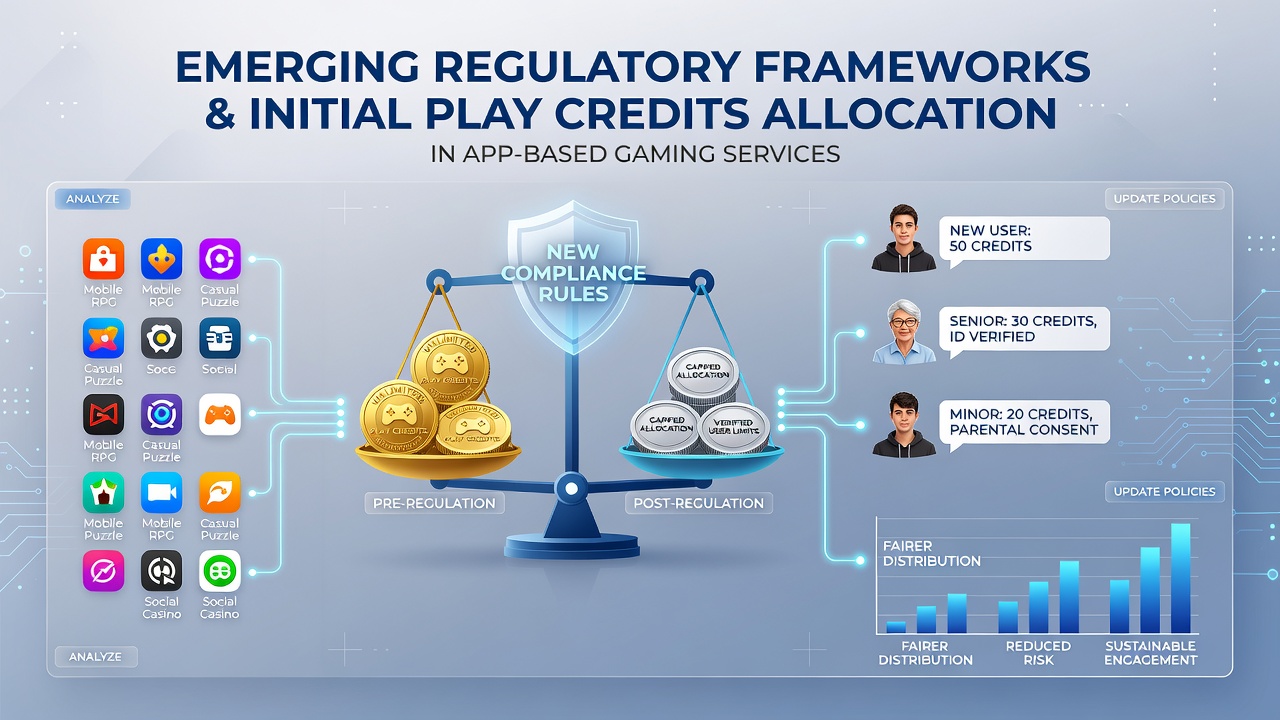
Regulatory bodies across multiple regions continue to update licensing conditions, and these updates directly influence how app-based gaming platforms distribute initial play credits such as welcome bonuses, no-deposit offers, and timed free spin packages. Jurisdictions in North America, Europe, Asia-Pacific, and parts of Africa have introduced new compliance layers since 2024, with several measures taking full effect by July 2026. Operators must now align credit allocation rules with stricter anti-money-laundering checks, player verification windows, and caps on promotional values, which alters the timing, size, and redemption paths available to new users.
Core Mechanisms Behind Credit Allocation Changes
Data from licensing authorities shows that verification timelines have lengthened in many markets, requiring operators to complete identity confirmation before releasing any initial credits. This adjustment stems from updated directives that tie bonus activation to completed know-your-customer processes, reducing the window for instant no-deposit rewards. In practice, platforms now stagger credit releases across multiple days or tie them to deposit thresholds that satisfy local responsible-gaming thresholds, and these patterns appear consistently in aggregated user metrics released by state and provincial regulators.
Meanwhile, value caps on promotional play credits have tightened in several jurisdictions. Regulators in Australia and select Canadian provinces set maximum bonus-to-deposit ratios at 100 percent for matched offers, while certain Asian markets limit free spin quantities per new account. Operators respond by restructuring bundles so that initial credits combine smaller immediate amounts with loyalty-linked top-ups that unlock only after sustained activity, a shift documented in industry compliance filings submitted through mid-2026.
Regional Examples of Framework Implementation
European member states continue to refine cross-border rules under digital services legislation, which affects how apps based outside the EU allocate credits to users inside the bloc. Operators must now report promotional spend separately from gaming revenue, and this reporting requirement has prompted many firms to reduce the total value of sign-up credits offered to EU residents. Figures released by the Malta Gaming Authority indicate that average no-deposit credit values dropped 18 percent between January 2025 and July 2026 for apps serving those markets.
In the United States, state-level changes produce varied outcomes. New Jersey and Pennsylvania both revised advertising standards in 2025, requiring clear disclosure of play-through requirements before any credit appears in a user account. Platforms responded by embedding these terms directly into onboarding flows, which lengthens the time from app download to first playable credit but satisfies the new transparency mandates. Observers note that similar disclosure rules are under consideration in additional states scheduled for rollout later in 2026.
Impact on App-Based Service Design
Mobile platforms have adjusted backend systems to accommodate these rules. Many now integrate real-time regulatory databases that flag accounts requiring extended verification before credits activate. This technical change means users in high-scrutiny regions often wait 24 to 72 hours for initial play credits, whereas previously the same credits appeared within minutes of registration. Industry reports compiled by the International Association of Gaming Regulators document that such delays correlate with lower early-stage redemption rates, prompting operators to introduce alternative engagement tools such as loyalty progress bars that do not count as regulated bonuses.
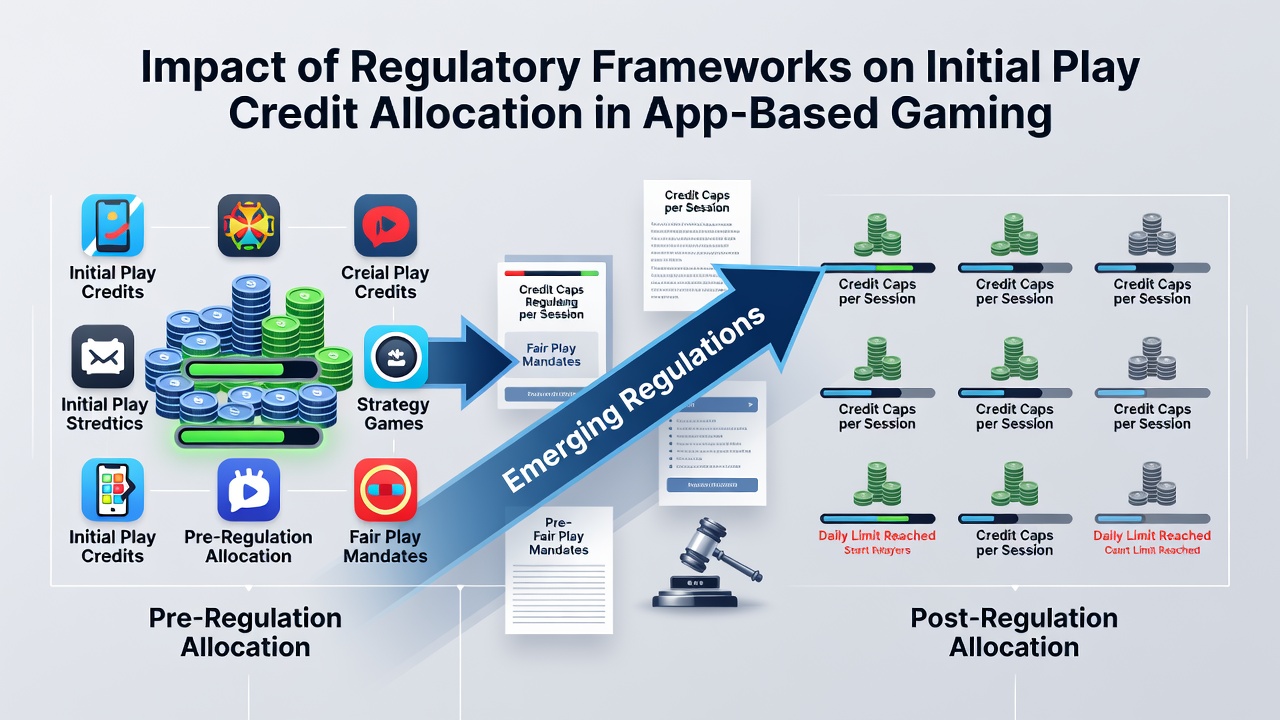
App developers have also modified user-interface elements. Terms and conditions now surface earlier in the signup sequence, and interactive sliders show users exactly how much credit they qualify for based on location and verification status. These design updates satisfy requirements in jurisdictions that mandate prominent display of bonus conditions, and they appear across both iOS and Android deployments tracked in July 2026 compliance audits.
Data Trends and Compliance Outcomes
Aggregated metrics released by provincial regulators in Ontario reveal that the proportion of new accounts claiming initial play credits fell from 67 percent in 2024 to 49 percent in the first half of 2026. The decline coincides with the introduction of mandatory 48-hour verification holds and reduced maximum credit values. Similar patterns surface in reports from Singapore's Gambling Regulatory Authority, where free spin allocations per new user dropped after rules took effect in late 2025. Operators in both regions report reallocating marketing budgets toward loyalty programs that fall outside strict bonus definitions, thereby maintaining engagement without triggering the same regulatory thresholds.
Academic analyses from research centers studying digital gambling behavior further confirm that longer verification periods reduce instances of bonus abuse while preserving overall platform revenue. One study tracking app telemetry across three continents found that users who receive credits after full verification maintain higher long-term retention rates than those who accessed instant offers under prior frameworks. These findings align with licensing data submitted to multiple authorities through mid-2026.
Conclusion
Emerging regulatory frameworks continue to reshape how initial play credits reach users of app-based gaming services. Verification requirements, value caps, and transparency rules now dictate the structure and timing of these offers across diverse markets. As additional jurisdictions finalize updates scheduled for the remainder of 2026, operators maintain ongoing adjustments to allocation systems to remain compliant while preserving user acquisition channels. The result is a more standardized yet regionally varied landscape for promotional credits that reflects the current balance between consumer protection priorities and commercial operations.