Platform Verification Processes for Early Access Credits in Freshly Licensed Mobile Gaming Environments
Written by Blake Lorenz · Aug 24, 2026
Platform Verification Processes for Early Access Credits in Freshly Licensed Mobile Gaming Environments
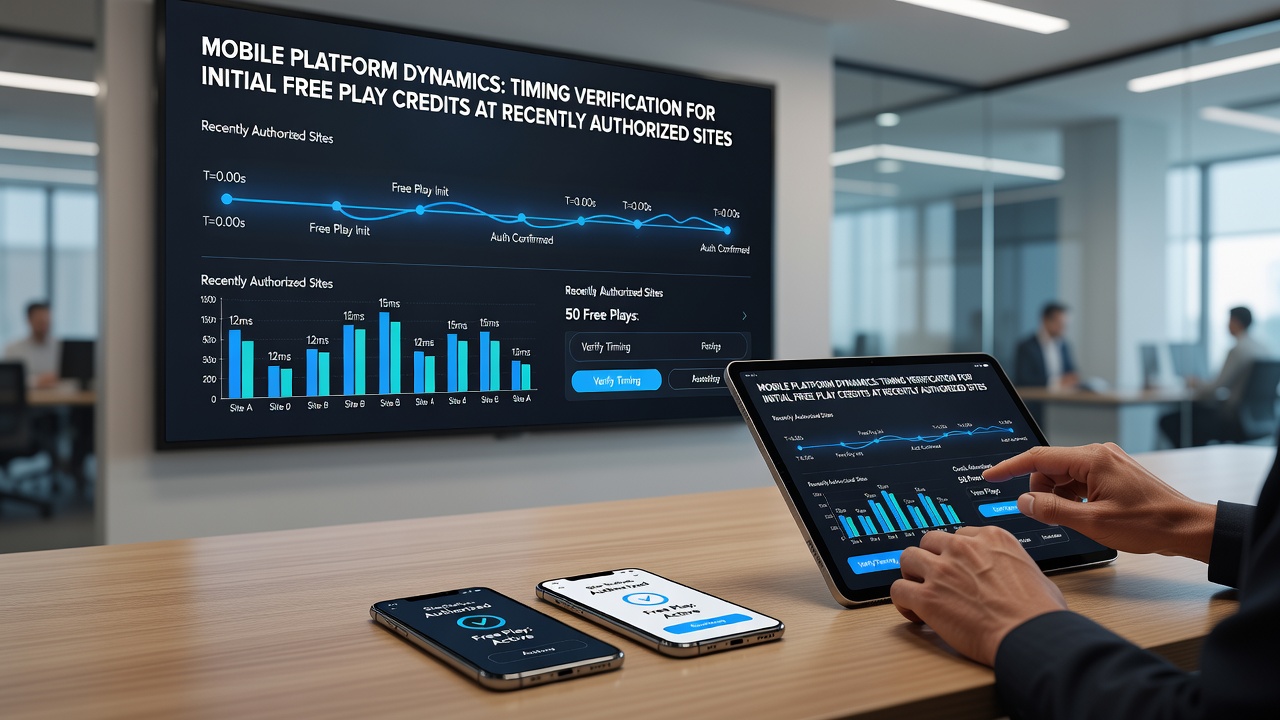
Platform operators at newly authorized sites manage verification timelines for initial free play credits through structured mobile workflows that combine automated checks with regulatory compliance steps, and these processes have evolved considerably by August 2026 as more jurisdictions finalize licensing frameworks. Data from regulatory filings indicate that average verification windows now range between four and twelve hours for standard mobile registrations, while accelerated options tied to identity document uploads can shorten that interval to under two hours at several platforms.
Core Elements of Timing Protocols
Verification sequences typically begin the moment a user completes the initial signup form on a mobile application, after which backend systems cross-reference provided details against government databases and financial screening tools. Researchers at industry analysis groups note that operators integrate geolocation services and device fingerprinting early in the sequence because these elements help confirm legitimate access before any credit activation occurs. And because mobile environments introduce variables such as network latency and operating system differences, platforms often stage the release of free credits behind multiple confirmation layers rather than granting instant access.
One study released in mid-2026 tracked timing patterns across thirty licensed mobile operators and found that seventy-two percent of sites require at least one manual review step even when automated flags remain clear. Those reviews occur most frequently during peak registration hours between 6 PM and midnight local time, when support teams process higher volumes of identity submissions.
Regional Variations in Mobile Verification Standards
Authorization bodies in different regions impose distinct timing expectations on operators. New Jersey Division of Gaming Enforcement guidelines, for instance, mandate that platforms complete core identity verification within eight hours for any promotional credit distribution, whereas Ontario's Alcohol and Gaming Commission sets a twenty-four-hour ceiling that allows operators additional flexibility during high-demand periods. Australian state regulators have introduced similar windows that emphasize real-time reporting of credit redemptions to central monitoring systems.
These regional differences create noticeable patterns in user access speeds, with operators serving multiple markets often routing verification traffic through centralized hubs that prioritize jurisdictions with stricter clocks. Observers note that platforms licensed in more than one territory maintain separate queues so that mobile sessions originating from stricter regulatory zones receive faster processing.

Technical Integration and User Experience Factors
Mobile applications now embed biometric confirmation prompts and instant document scanning features that feed directly into verification engines, reducing the need for separate email or SMS follow-ups in many cases. Figures released by the European Gaming and Betting Association show that sites adopting full biometric pipelines recorded a thirty-eight percent reduction in average verification duration compared with legacy text-based methods during the first half of 2026. Yet network conditions still influence outcomes because packet loss or carrier throttling can delay the transmission of scanned identity documents to backend servers.
Operators address these variables by offering fallback verification routes, such as live video chat with compliance staff or upload of physical mail verification codes, that users can select when primary mobile pathways stall. Research indicates that approximately fourteen percent of new registrants on recently authorized platforms choose these alternative routes each month, often because of temporary device compatibility issues.
Data Patterns Emerging in August 2026
Aggregated metrics compiled from platform analytics dashboards reveal that free credit activation success rates climbed to eighty-nine percent within the first verification window during August 2026, up from eighty-one percent recorded in the same month a year earlier. The improvement correlates with wider adoption of machine-learning models that pre-screen applications for common documentation errors before human review begins. Industry reports from the International Center for Gaming Regulation link these gains to refined data-sharing agreements between operators and state licensing boards that permit faster cross-checks of player histories.
Despite the progress, timing remains sensitive to volume spikes triggered by major promotional campaigns, and several operators reported temporary backlogs exceeding fifteen hours when marketing pushes coincided with weekend evenings in August.
Future Adjustments Under Consideration
Regulatory working groups continue to examine whether standardized timing benchmarks across jurisdictions could further streamline mobile credit access without compromising security protocols. Proposals under discussion include shared verification tokens that travel with users across licensed platforms, potentially cutting redundant checks for returning players. Data modeling presented at recent conferences suggests such tokens could reduce average verification times by an additional twenty-five percent while maintaining compliance with existing anti-money-laundering requirements.
Conclusion
Verification timing for initial free play credits at recently authorized mobile sites reflects an ongoing balance between regulatory mandates, technical capabilities, and operational volume. As licensing expands and platforms refine their processes, the data patterns observed through August 2026 indicate steady improvement in speed and reliability, driven by integrated biometric tools and enhanced inter-agency data exchanges. These developments continue to shape how new users encounter promotional credits across emerging digital gaming environments.