Licensing Milestones Shape the Structure of Welcome Incentives Across Digital Gaming Ventures
Written by Blake Lorenz · Aug 26, 2026
Licensing Milestones Shape the Structure of Welcome Incentives Across Digital Gaming Ventures
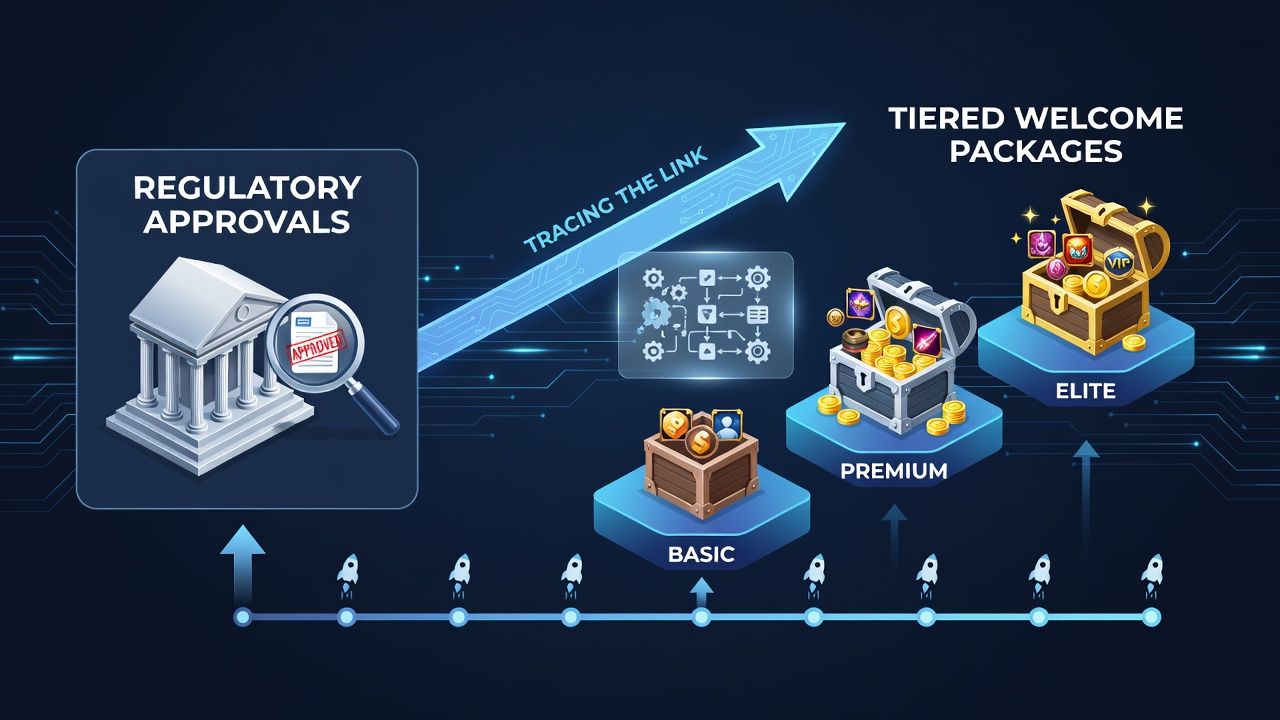
Digital gaming startups often time the launch of tiered welcome packages to coincide with the final stages of regulatory approval processes, and this pattern has become more pronounced as jurisdictions refine their licensing frameworks. Regulatory bodies review operator compliance with financial stability requirements, player protection standards, and technical security measures before granting operational licenses, while companies prepare incentive structures that activate only after approval clears.
Approval Timelines and Package Design
Startups typically structure welcome packages in multiple tiers that unlock progressively as players meet deposit or activity thresholds, yet these tiers remain dormant until licensing authorities complete their evaluations. Data from licensing records show that operators in markets with streamlined approval cycles, such as certain Canadian provinces, introduce three or four tier levels within weeks of receiving authorization, whereas regions with extended review periods see packages delayed by several months. The Alcohol and Gaming Commission of Ontario publishes monthly licensing statistics that illustrate how average approval durations influence the speed at which new entrants activate matched deposit offers and free spin allocations.
Verification procedures embedded in regulatory requirements also affect how quickly players gain access to initial rewards, and companies adjust tier thresholds accordingly. For example, identity checks mandated during the approval phase carry over into player onboarding flows, which means startups build tier progression around verified accounts rather than instant registrations. This alignment reduces compliance risks once operations begin and allows packages to scale with player engagement metrics tracked through approved platforms.
Regional Variations in 2026
By August 2026 several U.S. states had updated their online gaming statutes, and these changes directly altered the rollout schedules for tiered incentives at newly licensed startups. Jurisdictions that shortened mandatory testing periods for gaming software enabled operators to launch base welcome tiers sooner, while states maintaining longer certification windows pushed higher reward levels to later dates. Aggregated reports from the American Gaming Association indicate that states adopting unified technical standards experienced a 22 percent faster introduction of multi-tier packages compared with states using independent review boards.
International markets present additional layers of coordination, and operators must satisfy both local licensing bodies and cross-border payment regulations before activating deposit match tiers. Australian regulators, through the Australian Communications and Media Authority, require explicit confirmation of responsible gaming measures prior to any promotional activity, which leads startups to sequence their lowest tier offers after these confirmations arrive. European jurisdictions follow similar patterns where data protection certifications precede the public release of free spin incentives.
Case Examples from Emerging Platforms
One startup that received its license in a mid-Atlantic state during spring 2026 introduced a four-tier welcome structure within 14 days of approval, with each tier calibrated to player deposit volume and verified playtime. The first tier activated automatically upon account verification, while subsequent levels required documented compliance with the operator's internal risk protocols that mirrored state-mandated safeguards. Another platform operating under iGaming Ontario rules delayed its highest reward tier until the regulator completed a post-launch audit, demonstrating how ongoing oversight can extend package timelines beyond initial authorization dates.
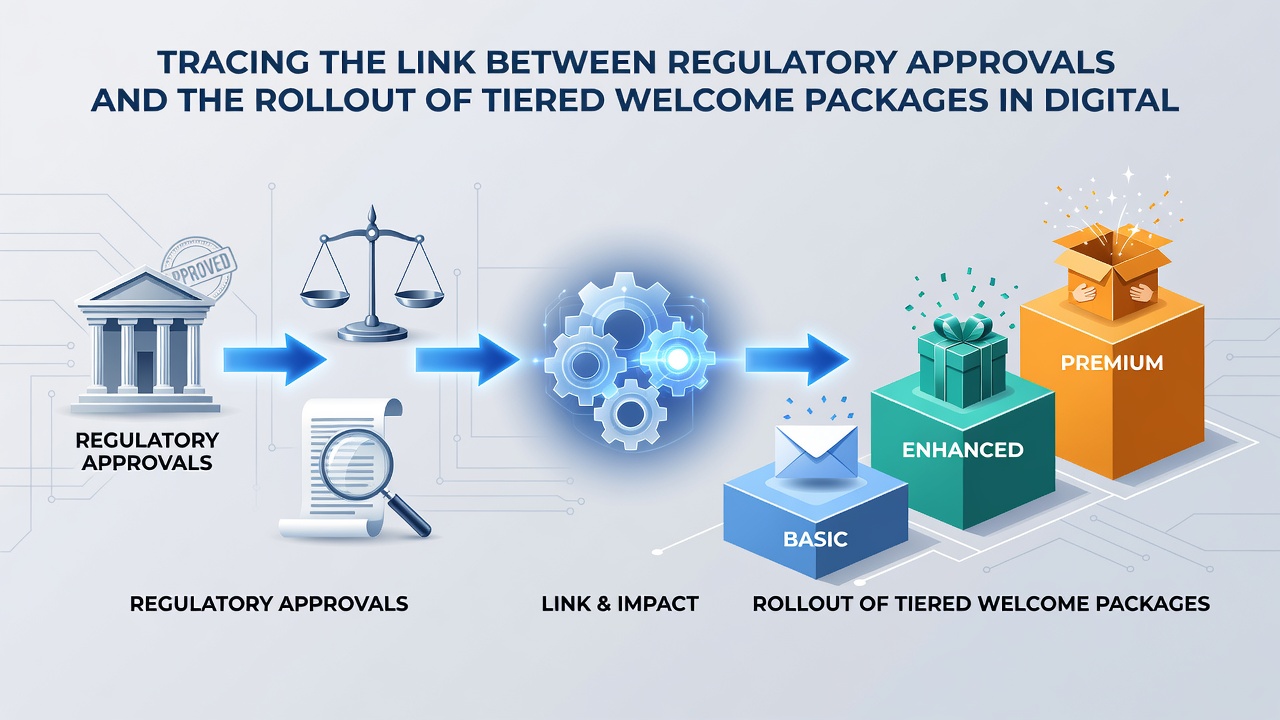
These examples highlight a consistent sequence where regulatory sign-off serves as the trigger for tier activation rather than a marketing decision alone. Startups coordinate with legal teams to ensure every incentive level meets the conditions outlined in their license applications, and deviations often result in temporary holds until amendments receive clearance.
Technical and Compliance Integration
Backend systems used by digital gaming startups incorporate regulatory reporting modules that track player progression through welcome tiers, and these modules feed directly into compliance dashboards required by licensing authorities. When a jurisdiction mandates real-time reporting of promotional activity, operators configure tier unlocks to generate automatic notifications that satisfy audit trails. This integration reduces the administrative burden once operations commence and allows companies to scale incentives without separate compliance reviews for each tier adjustment.
Payment processor partnerships also factor into the timing of tiered offers, since many licenses stipulate approved financial channels before any funds transfer occurs. Startups therefore sequence deposit match tiers to align with processor certifications, which frequently occur in parallel with broader regulatory reviews. The result is a staggered rollout where lower tiers launch first and higher tiers follow as additional approvals finalize.
Conclusion
Regulatory approval processes continue to dictate the pace and structure of tiered welcome packages at digital gaming startups, with licensing milestones determining when each incentive level becomes available to players. Jurisdictional differences in review duration, technical certification, and ongoing oversight create varied rollout patterns across regions, yet the underlying connection remains consistent: operators activate structured incentives only after authorities grant operational clearance. As markets evolve through 2026 and beyond, this linkage between licensing and promotional design shows no signs of decoupling, since compliance frameworks and player reward systems share the same foundational requirements for verification and reporting.