How User Data Shapes Customized Incentives in Mobile Gambling Apps
Written by Hugo Flores · Aug 5, 2026
How User Data Shapes Customized Incentives in Mobile Gambling Apps
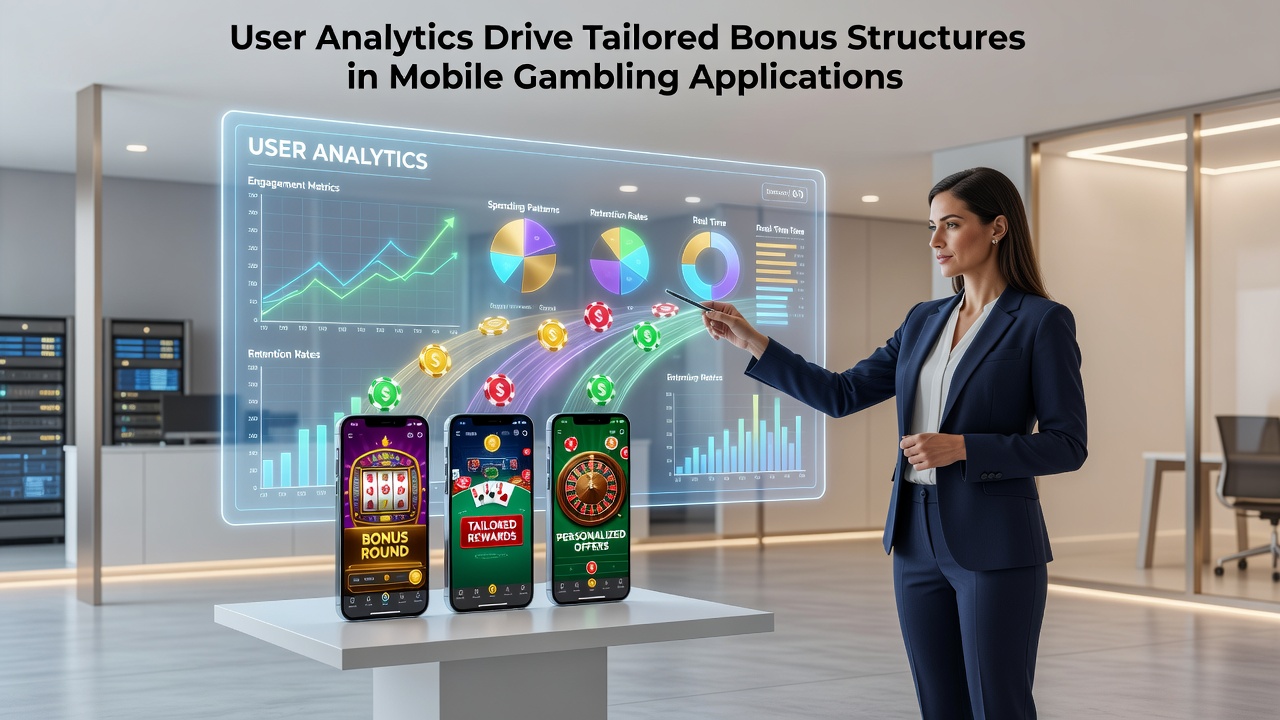
Operators in the mobile gambling sector now rely heavily on user analytics to craft bonus structures that match individual player patterns, and this approach has gained momentum through 2026. Data collected from app interactions reveals preferences for specific games, session lengths, and spending habits, which platforms then translate into targeted rewards such as free spins or deposit matches adjusted to each user's profile. Researchers tracking these systems note that aggregated metrics from millions of sessions help identify clusters of behavior, allowing companies to segment users without relying on generic promotions that once dominated the market.
Data Collection Methods Fueling Personalization
Apps gather information through in-game tracking tools that monitor everything from bet frequency to time spent on particular slots or table games, and this continuous flow of information gets processed in real time to update bonus eligibility. Studies from academic institutions highlight how machine learning models sort players into categories based on engagement levels, with high-frequency users receiving loyalty-based multipliers while newer accounts see introductory offers scaled to their initial activity. In August 2026, reports indicated that platforms using these techniques achieved higher retention rates compared to those sticking with static bonus schedules, as the tailored elements align more closely with what data shows users actually respond to during peak hours.
Geolocation data and device usage patterns add further layers, enabling adjustments for regional preferences or peak play times across different time zones. Observers note that when a player consistently logs in during evening hours, the system might prioritize bonuses that activate during those windows, which keeps the experience consistent and encourages repeat visits without overwhelming the user with irrelevant offers.
Examples of Tailored Bonus Designs in Practice
One common structure involves scaling free spin quantities according to a player's average wager size, so someone who bets modestly receives smaller but more frequent incentives while higher-stakes users unlock larger batches that match their spending trajectory. Industry analyses reveal that this method reduces the chance of unused rewards piling up, since the offers reflect actual behavior captured in the analytics dashboards. Another approach combines timed elements with loyalty accumulation, where completing a set number of sessions within a week triggers personalized deposit matches that vary by user segment.
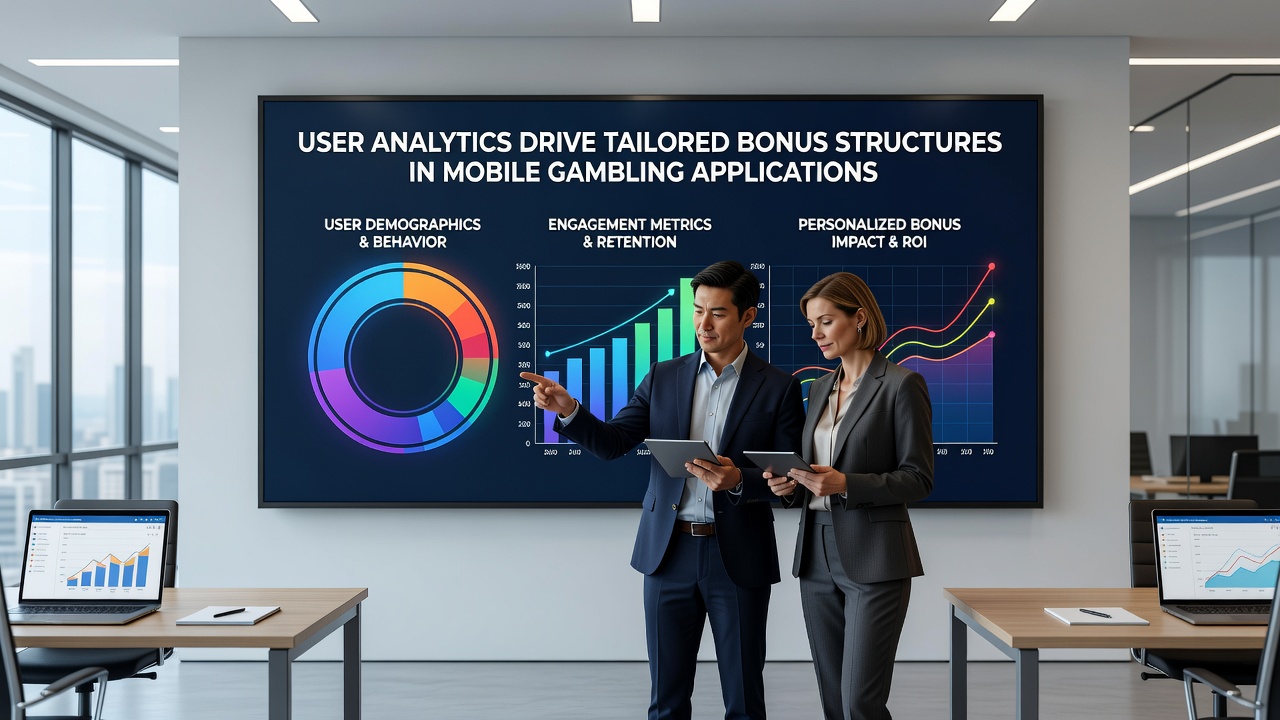
Platforms have also experimented with hybrid rewards that blend cashback percentages with game-specific vouchers, and data from these tests shows improved conversion when the cashback rate adjusts based on recent loss ratios recorded in the user's history. Those who've examined multiple apps find that successful implementations often cross-reference play history with demographic signals to avoid offering sports betting bonuses to users focused exclusively on casino content, which keeps the system efficient and relevant.
Regional Variations and Regulatory Influences
Regulatory frameworks in various jurisdictions shape how far analytics can drive customization, with bodies like the Nevada Gaming Control Board requiring transparency in how player data informs reward calculations. In Canada, the Alcohol and Gaming Commission of Ontario has issued guidelines that emphasize fair distribution of bonuses derived from analytics, ensuring that segmentation does not inadvertently disadvantage certain player groups. European operators meanwhile follow directives from the Malta Gaming Authority, which monitors data usage to prevent excessive targeting that could encourage prolonged sessions beyond reasonable limits.
These rules have prompted developers to build compliance checks directly into their analytics pipelines, so bonus offers automatically adjust when they detect patterns that might conflict with local standards. Figures from industry reports indicate steady growth in the adoption of such integrated systems, particularly as more regions update their digital gaming rules to address mobile-specific data practices through mid-2026.
Technical Infrastructure Behind the Shifts
Cloud-based processing allows the handling of large datasets without lag, which means bonuses can update within seconds of a player completing a session. Developers integrate APIs that pull from multiple sources, including transaction logs and social features within the app, to create a fuller picture of engagement. This setup supports A/B testing on a granular level, where small groups of users receive variant offers while the broader population continues with established patterns, and results feed back into the models for refinement.
Security protocols play a central role as well, since handling sensitive user information demands encryption and anonymization steps before analytics engines begin segmentation. Research indicates that platforms investing in these safeguards maintain higher trust metrics among their user bases, which in turn supports sustained data collection necessary for ongoing personalization improvements.
Conclusion
Analytics continue to refine how mobile gambling applications structure their bonuses, moving the industry away from one-size-fits-all models toward systems grounded in individual usage data. As platforms incorporate more sophisticated tracking while adhering to regional regulations, the focus remains on delivering rewards that align with demonstrated player activity. This evolution shows no sign of slowing, with ongoing advancements in data processing expected to further sharpen the precision of these tailored offerings in the months ahead.