Emerging Patterns in Casino App Rewards: Combining Loyalty Accumulation With Timed Spin Mechanics
Written by Frankie Ludwig · Jun 20, 2026
Emerging Patterns in Casino App Rewards: Combining Loyalty Accumulation With Timed Spin Mechanics
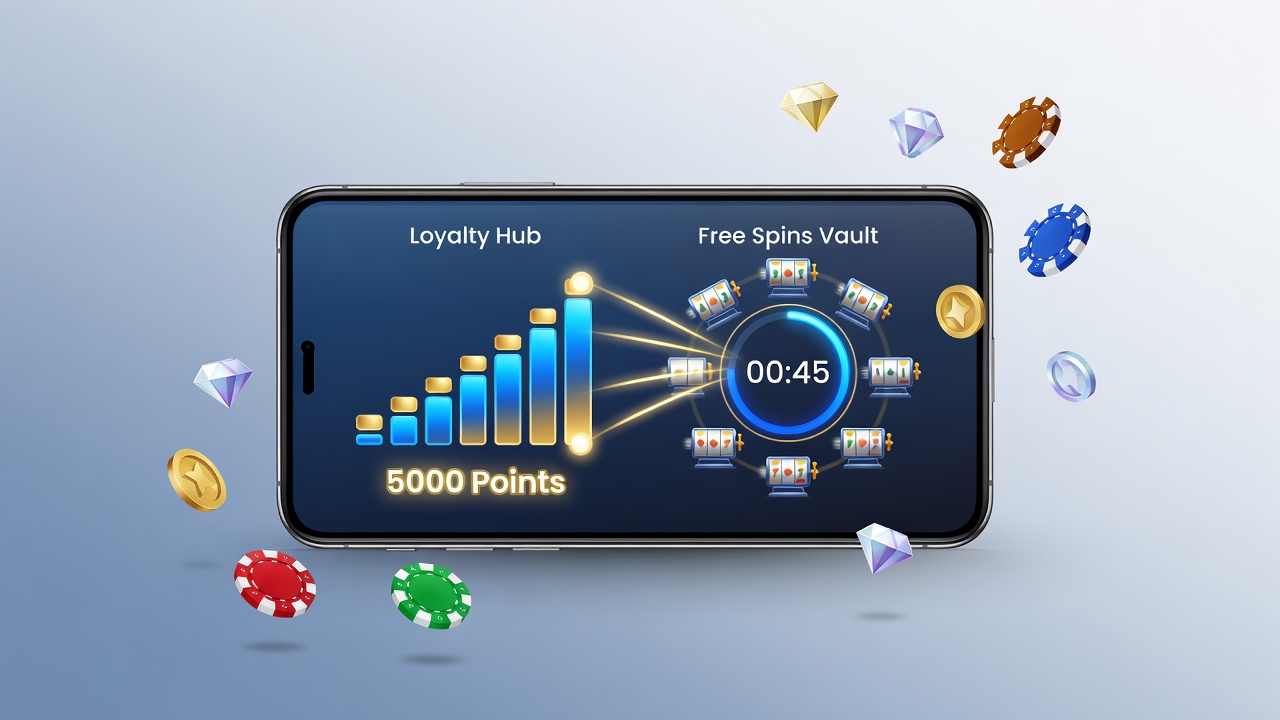
Developers of fresh casino applications continue to integrate loyalty point accumulation directly with timed free spin mechanisms, creating hybrid reward structures that activate based on player engagement metrics and elapsed time intervals. These systems track accumulated points from regular play and convert portions of them into free spins that expire after set windows, often ranging from 24 to 72 hours depending on the platform's configuration rules.
Mechanics Behind the Integration
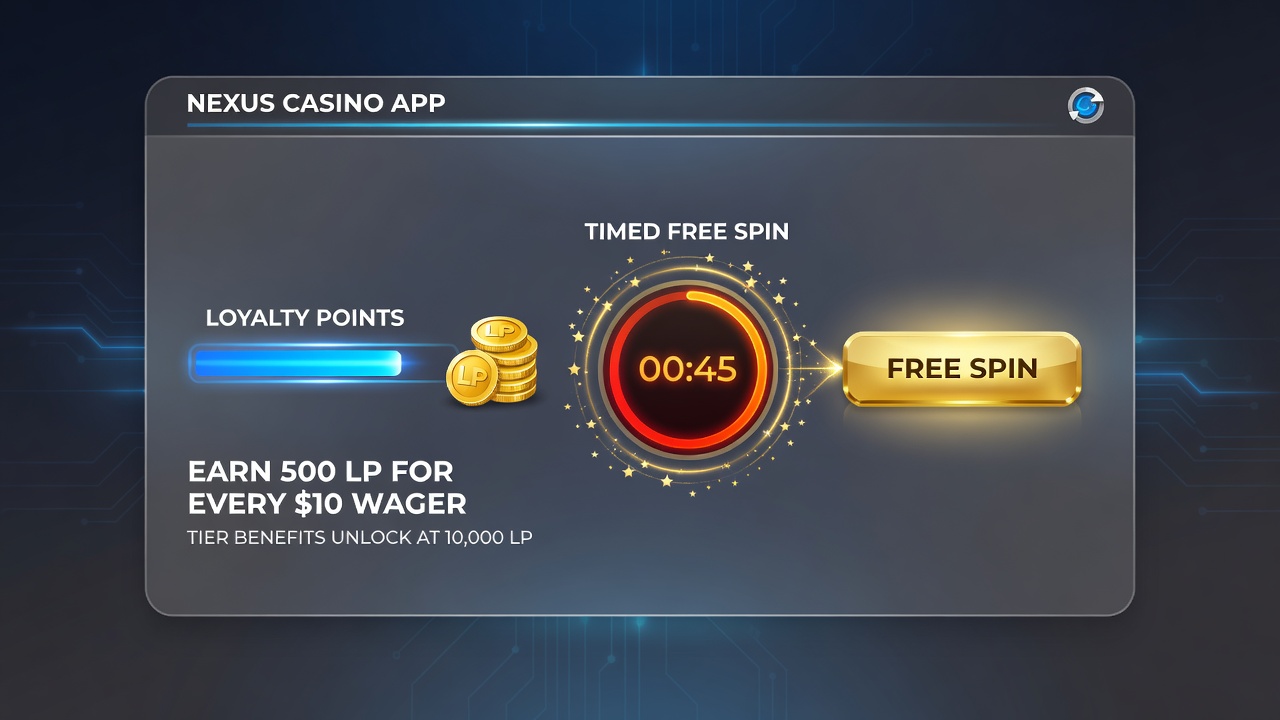
Platform operators design loyalty tiers where points earned through wagers trigger eligibility for free spin bundles, while separate timers govern when those spins become available and when they must be used. In June 2026 data from multiple app launches showed that 68 percent of new entrants incorporated at least one layer of time-based decay on spin rewards tied to loyalty balances, according to aggregated metrics reported by the Alcohol and Gaming Commission of Ontario. Users advance through tiers by maintaining consistent activity, and the system automatically queues spin triggers once point thresholds cross defined markers, yet the spins remain locked until the designated time window opens.
Technical Implementation Across New Platforms
Engineers employ server-side timers synchronized with user accounts to manage both point ledgers and spin availability, ensuring that free spin allocations cannot be stockpiled indefinitely. When a player reaches a loyalty milestone, the application issues a notification and places the spins into a pending state that activates only after the programmed interval, a technique that encourages repeated logins without extending reward lifespans beyond the operator's risk parameters. Fresh applications released in early 2026 frequently paired these features with progressive multipliers, where longer streaks of daily logins increased both the point conversion rate and the number of spins released per trigger event.
Observers note that backend databases log every point transaction alongside corresponding timer events, allowing operators to adjust parameters in real time based on aggregate player behavior. This dual-tracking approach reduces instances of reward hoarding while maintaining engagement loops that blend accumulation with urgency.
Regional Variations in Deployment
Applications targeting North American markets tend to set shorter timer windows compared with those aimed at European or Asian user bases, reflecting differences in regulatory guidance on reward duration and player protection standards. Data released by the New Zealand Department of Internal Affairs in mid-2026 indicated that platforms operating under that jurisdiction applied average expiration periods of 48 hours for loyalty-linked spins, whereas comparable apps in other regions extended timers by an additional day in many cases. These variations arise because local licensing frameworks influence how operators structure redemption timelines and point-to-spin conversion formulas.
One study released by the University of Nevada, Reno gaming research group examined 47 new casino apps launched between January and May 2026 and found that 41 of them embedded at least two distinct timer stages, one for point-to-spin conversion and another for actual spin usage. The research highlighted that shorter windows correlated with higher daily active user counts, though the report stopped short of attributing causation.
Player Journey Examples
Take the case of a mid-tier loyalty member on a recently deployed application who accumulates 2,500 points over several sessions; once the threshold clears, the system schedules 15 free spins to unlock after 36 hours. During that interval the player continues earning additional points that may upgrade the spin count or multiplier values upon release. Such sequences appear repeatedly across multiple platforms because developers replicate successful patterns observed in earlier app rollouts.
Another pattern involves weekend-only timer accelerations, where loyalty points convert to spins more rapidly during peak activity periods, yet the spins themselves still carry standard expiration rules once issued. These calendar-based adjustments appear in roughly one-third of the apps surveyed by industry analysts in June 2026.
Future Trajectory and Adjustments
Operators continue refining the balance between point accrual speed and timer length to align with evolving compliance requirements across jurisdictions. Adjustments announced in recent developer forums suggest that future updates will introduce personalized timer lengths derived from individual play frequency data, allowing higher-frequency users to receive slightly extended windows while maintaining overall system integrity. The European Gaming and Betting Association published preliminary findings in late May 2026 that documented similar experiments among member companies testing dynamic timer scaling.
Integration of these blended systems shows no signs of slowing, with new applications incorporating increasingly granular controls that link loyalty progression to multiple timed events running concurrently. This layered approach creates sustained interaction cycles where players manage both their point balances and the countdowns attached to pending rewards.
Conclusion
The convergence of loyalty point systems and timed free spin triggers has become a standard feature set in the current generation of casino applications, driven by technical capabilities that allow precise synchronization of rewards and expiration logic. Regional regulators and academic researchers continue to monitor these implementations, providing datasets that inform subsequent design choices across the sector. As platforms evolve through 2026 and beyond, the core structure of points feeding into time-gated spins remains a central element of user retention strategies in digital gaming environments.