Emerging Casino Operators Adjust Promotional Tactics Amid Mobile Gaming Surge
Written by Blake Lorenz · Jul 1, 2026
Emerging Casino Operators Adjust Promotional Tactics Amid Mobile Gaming Surge
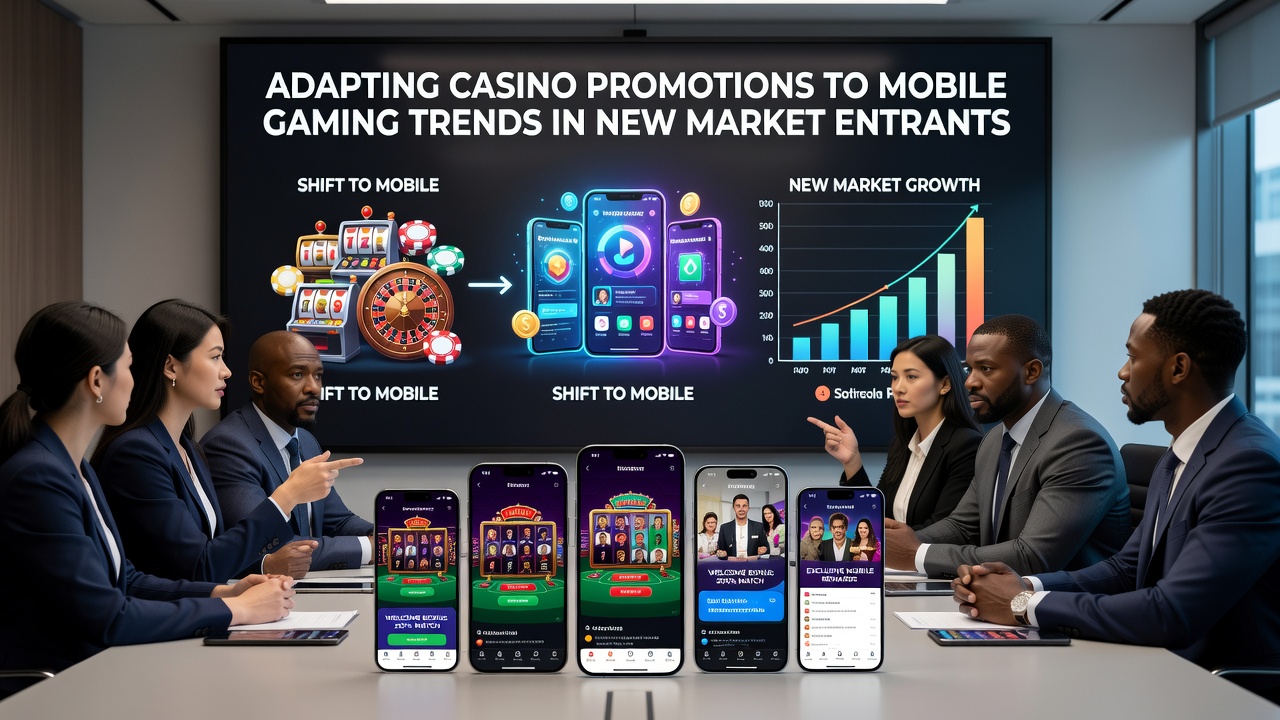
New market entrants in the online casino sector have shifted focus toward mobile-optimized promotions as smartphone usage continues to dominate player engagement patterns; data from industry tracking services indicate that mobile devices now account for over 65 percent of all gaming sessions across digital platforms in multiple jurisdictions. These operators integrate app-based notifications, location-aware offers, and streamlined redemption processes directly into their signup flows to capture users who prefer quick access over desktop interactions.
Regulatory filings from several states reveal that fresh digital gaming brands launched between 2024 and 2025 allocate larger portions of marketing budgets to mobile-specific incentives such as instant free spins delivered via push alerts and deposit matches triggered by GPS check-ins at partner venues. Observers note this approach aligns with broader device usage trends documented in quarterly reports from gaming analytics firms.
Key Mobile Features Driving Promotion Changes
Application developers working with startup casino brands embed loyalty tracking systems that accumulate points through short play sessions on handheld devices, allowing players to unlock tiered rewards without lengthy registration steps. Research compiled by international gaming associations shows these mechanics increase session frequency by connecting daily login bonuses to mobile-exclusive challenges that reset every few hours.
Push notification campaigns now replace traditional email blasts at many emerging platforms because open rates for in-app messages exceed 40 percent according to aggregated metrics released in early 2026. Operators combine these alerts with time-sensitive offers that expire within 24 hours, encouraging immediate engagement during commuting periods or evening downtime.
Regional Examples of Mobile Adaptation
In North American markets, new entrants licensed in Pennsylvania and Michigan have introduced geo-fenced promotions that activate only when users enter designated entertainment districts, creating partnerships with local businesses for cross-promotional value. Australian regulators documented similar experiments in their most recent compliance summaries, where mobile apps deliver tailored deposit incentives based on player location data collected with explicit consent.
European platforms entering emerging Eastern markets deploy in-app wallets that automatically convert currency for instant bonus claims, reducing friction for users who switch between multiple devices during a single day. Figures released by the International Association of Gaming Regulators highlight how these systems cut average verification times from 48 hours down to under 15 minutes for mobile-first applicants.
Data Patterns in July 2026
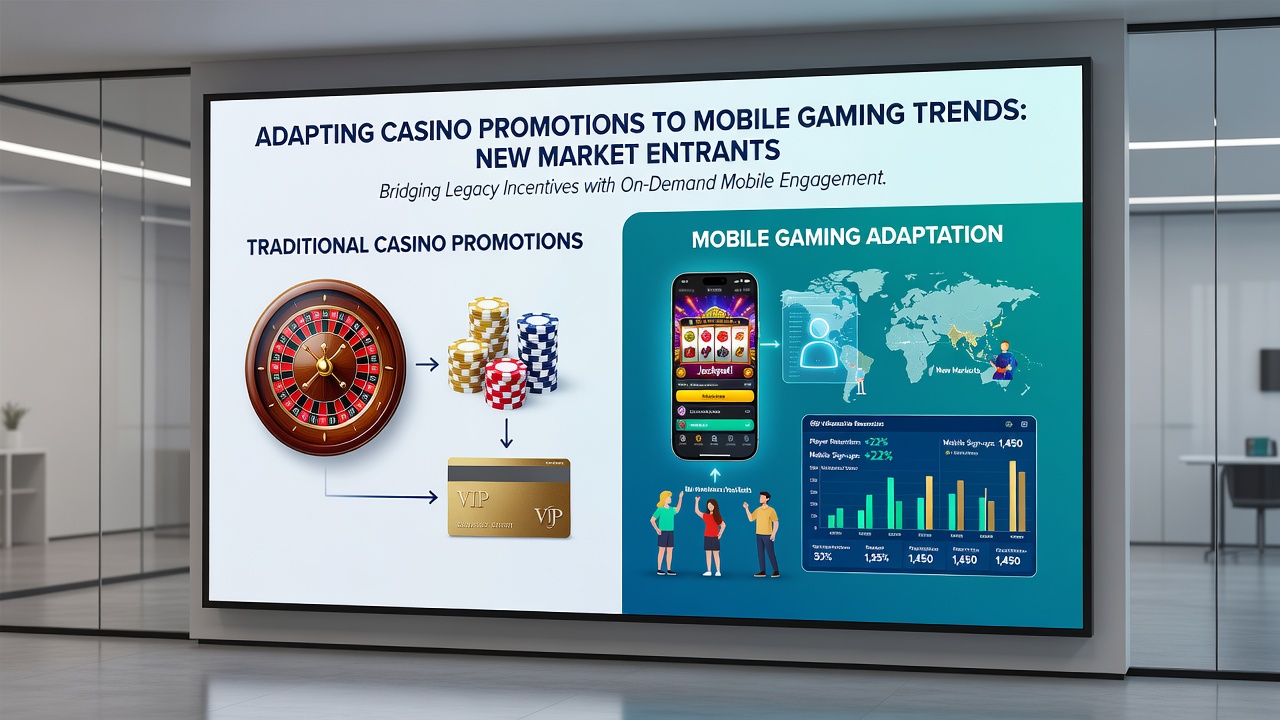
Usage statistics gathered through July 2026 show that new casino applications experienced a 22 percent rise in mobile deposit volume compared with desktop channels, prompting operators to restructure matched deposit promotions around smaller, more frequent top-ups that suit smartphone payment methods. Aggregated user metrics released by platform analytics providers indicate players on handheld devices prefer bonuses tied to specific game categories rather than blanket credits.
Those monitoring signup flows report that simplified KYC processes integrated into mobile apps accelerate access to initial play credits, with verification completed via facial recognition or document upload directly from phone cameras. This adjustment responds to patterns observed across multiple licensing regions where mobile traffic outpaces other channels by wide margins.
Technical Adjustments by New Entrants
Developers at recent market arrivals incorporate progressive web app technology so promotions remain accessible even without full app downloads, bridging gaps for users hesitant to install additional software. Industry reports compiled by the American Gaming Association note these hybrid solutions maintain compliance while expanding reach into areas with slower app store approval processes.
Security protocols now emphasize biometric login paired with bonus code entry, which reduces account takeover incidents while preserving seamless reward delivery. Observers tracking these implementations point out that such measures also support responsible gaming tools that set session limits directly within the mobile interface.
Future Considerations for Promotion Design
Analysts examining licensing applications filed in mid-2026 observe that new operators increasingly request approvals for cross-device bonus synchronization, allowing rewards earned on phones to transfer automatically to tablets or connected smartwatches. This capability builds on existing frameworks already tested in Canadian provinces where regulators track mobile engagement data through centralized reporting systems.
Partnerships with payment processors specializing in mobile transactions enable instant bonus funding upon deposit confirmation, shortening the gap between player action and reward availability. Evidence gathered from multiple jurisdictions confirms these integrations correlate with higher retention rates during the first 30 days after account creation.
Conclusion
Market entrants continue refining promotional structures around mobile behaviors documented in regulatory filings and analytics summaries, with emphasis on speed, location relevance, and device-native features. These adaptations reflect measurable shifts in how players interact with digital gaming platforms across different regions and licensing environments.