Diverse Regulatory Landscapes Altering Signup Credit Mechanisms for Emerging Online Gaming Platforms
Written by Hugo Flores · Jul 11, 2026
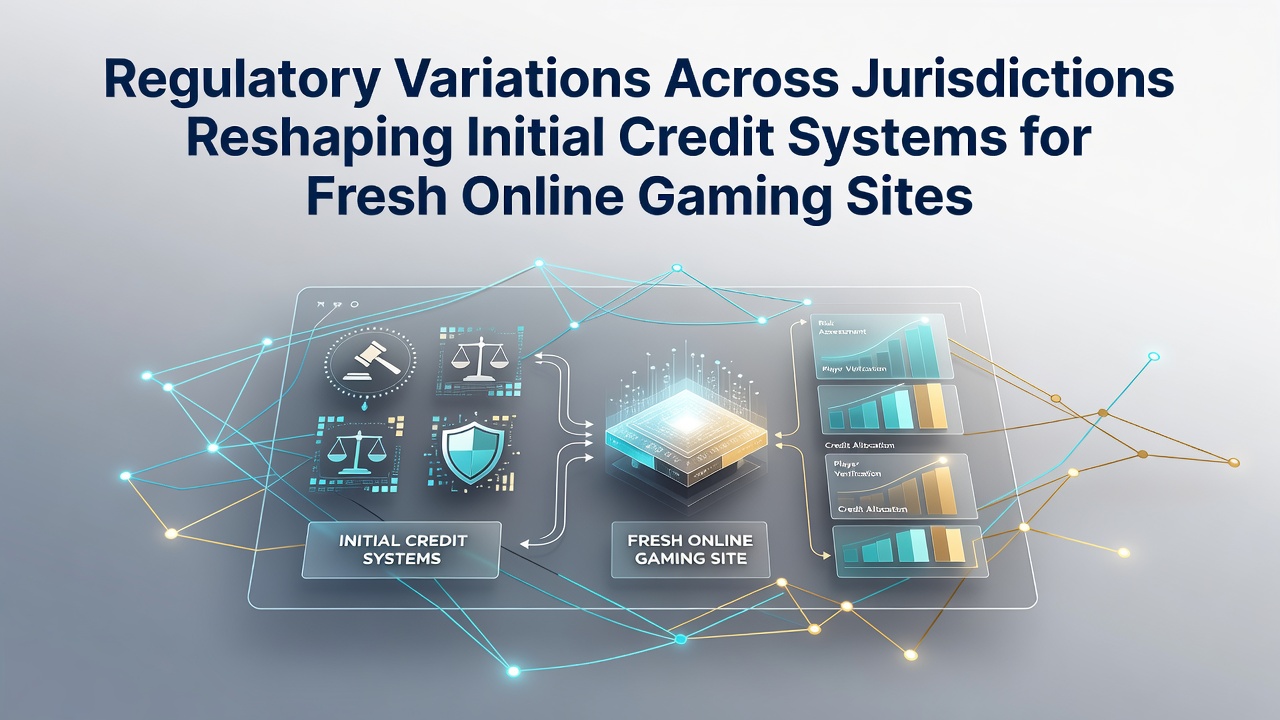
Diverse Regulatory Landscapes Altering Signup Credit Mechanisms for Emerging Online Gaming Platforms
Regulatory frameworks in multiple regions continue to influence how new online gaming platforms structure their initial credit offerings, with rules on verification, wagering requirements, and bonus formats differing sharply by jurisdiction. Data from industry monitoring groups shows these variations force fresh entrants to adapt signup incentives quickly upon launch, often resulting in region-specific reward structures that comply with local statutes rather than uniform global standards. Observers note that licensing authorities in Europe impose strict timelines on credit activation, requiring full identity verification before any promotional funds become available. This approach contrasts with certain North American state models where provisional credits can appear after partial checks, provided operators maintain detailed audit trails. Such differences mean new sites operating across borders must segment their credit systems early in the development phase to avoid compliance violations.European Licensing Requirements and Credit Timing
Countries operating under the Malta Gaming Authority guidelines, for instance, mandate that initial credits tie directly to verified accounts, with wagering conditions applied uniformly across all new platforms. Research indicates these rules have led operators launching in mid-2026 to delay full credit distribution until after the standard 72-hour review period, reducing the speed at which players access matched deposits or free spin packages.
Meanwhile, regulators in several Scandinavian markets apply additional caps on bonus values, limiting the maximum credit amount new sites can advertise during signup. Those who've tracked these policies report that platforms must recalibrate their welcome offers monthly to stay within updated thresholds announced by local bodies, creating ongoing adjustments for sites entering these markets after July 2026.
North American State-Level Adjustments
State gaming commissions in the United States enforce separate protocols, with some requiring that initial credits exclude certain game types until players complete identity confirmation through state-approved databases. Figures from regulatory filings reveal this has prompted new entrants in states like New Jersey and Pennsylvania to introduce tiered credit releases, where partial amounts unlock immediately while larger portions wait for full approval cycles.

Canadian provincial regulators follow a comparable path but often incorporate time-bound restrictions on credit redemption, specifying that promotional balances expire within defined windows unless players meet activity benchmarks. Data compiled by industry associations shows these constraints have reshaped how startup platforms present their entry-level incentives, favoring smaller, recurring credits over large one-time allocations to maintain compliance across provinces.
Asia-Pacific and Emerging Market Shifts
Jurisdictions across Asia-Pacific regions introduce further complexity through outright prohibitions on certain credit types for new operators. Australian oversight bodies, for example, require clear separation between deposit-matched credits and any free-play elements, with mandatory disclosure of all terms before activation. Reports from the Asia Pacific Association of Gaming Regulators highlight that platforms entering these markets after regulatory updates in 2026 must embed these disclosures into their initial credit interfaces from day one.
Similar patterns appear in select Latin American frameworks, where verification must precede any credit issuance and limits apply to cross-border player eligibility. Those monitoring these developments find that operators respond by developing modular credit engines capable of switching rulesets based on detected user location and licensing status.
Operational Impacts on Fresh Platforms
New digital gaming sites face increased development costs when building systems that accommodate multiple regulatory environments simultaneously. Software providers have responded with configurable modules that adjust credit parameters automatically, according to aggregated licensing data released by trade organizations. This technical adaptation allows sites to launch in several jurisdictions without rebuilding core reward mechanics each time rules change.
Case examples from operators active in July 2026 demonstrate how platforms now test credit flows against each target regulator's sandbox environments before full deployment. Such pre-launch validation reduces the risk of post-approval modifications that previously disrupted player access to signup incentives.
Conclusion
Regulatory variations across jurisdictions continue to drive structural changes in how emerging online gaming sites deliver initial credits, with verification rules, value caps, and redemption timelines varying by region. Platforms entering multiple markets adapt through segmented systems and modular technology that align with local statutes, while ongoing updates from bodies such as the Nevada Gaming Control Board and the Asia Pacific Association of Gaming Regulators shape the pace of these adjustments. Data from industry reports indicates these patterns will persist as new entrants balance compliance demands with competitive credit structures.