Cross-Platform Integration Reshapes New User Credit Access in Online Casinos
Written by Frankie Ludwig · Jun 29, 2026
Cross-Platform Integration Reshapes New User Credit Access in Online Casinos
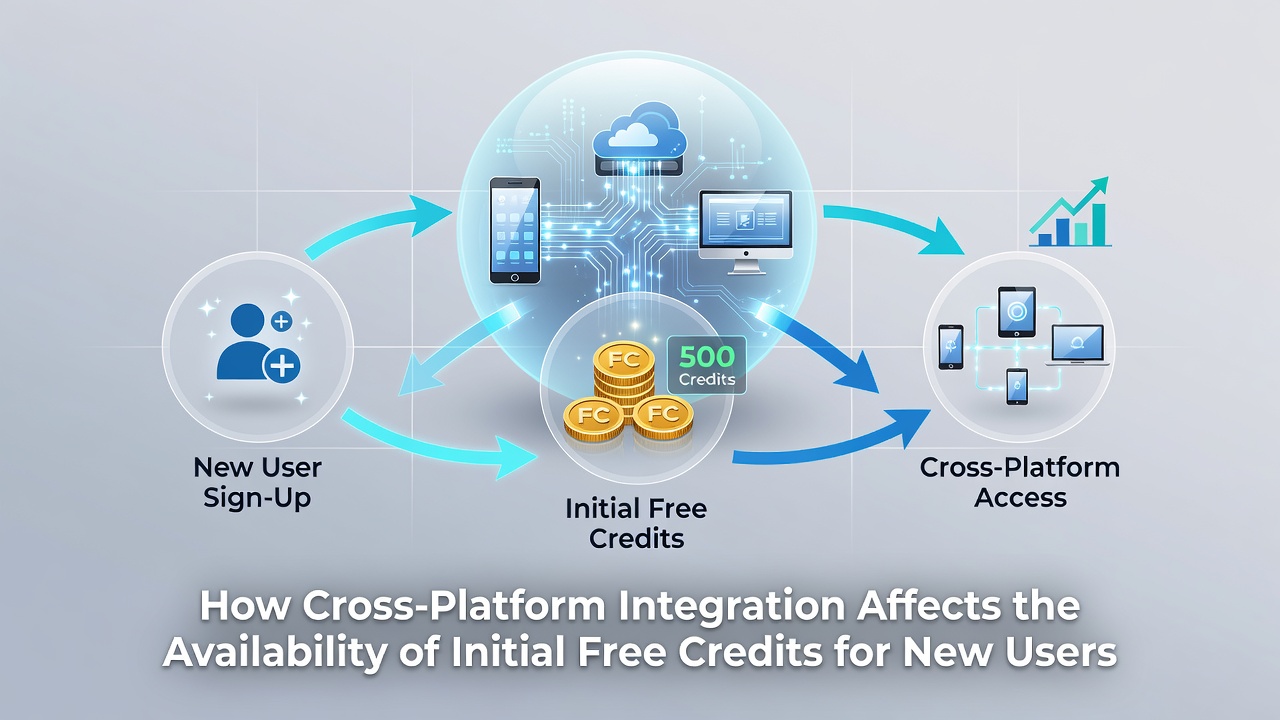
Cross-platform integration connects desktop, mobile, and tablet experiences through shared user accounts, and this setup directly influences how initial free credits reach new players at digital gaming sites. Operators now maintain single profiles that track activity across devices, which streamlines verification yet introduces new timing considerations for credit distribution. Data from multiple jurisdictions shows these systems have expanded since 2024, with adoption rates climbing as more platforms unify their back-end infrastructure.
Mechanics of Unified Account Systems
Operators implement unified accounts so players log in once and access the same balance, game progress, and promotional offers regardless of device, and this structure requires real-time data exchange between servers. When a new user registers, the system checks identity documents, device fingerprints, and location signals simultaneously across platforms. Regulators in several regions, including those overseen by iGaming Ontario, have documented how these checks affect the release of welcome credits, often extending initial processing windows from minutes to hours during peak sign-up periods.
Verification Timelines and Credit Release
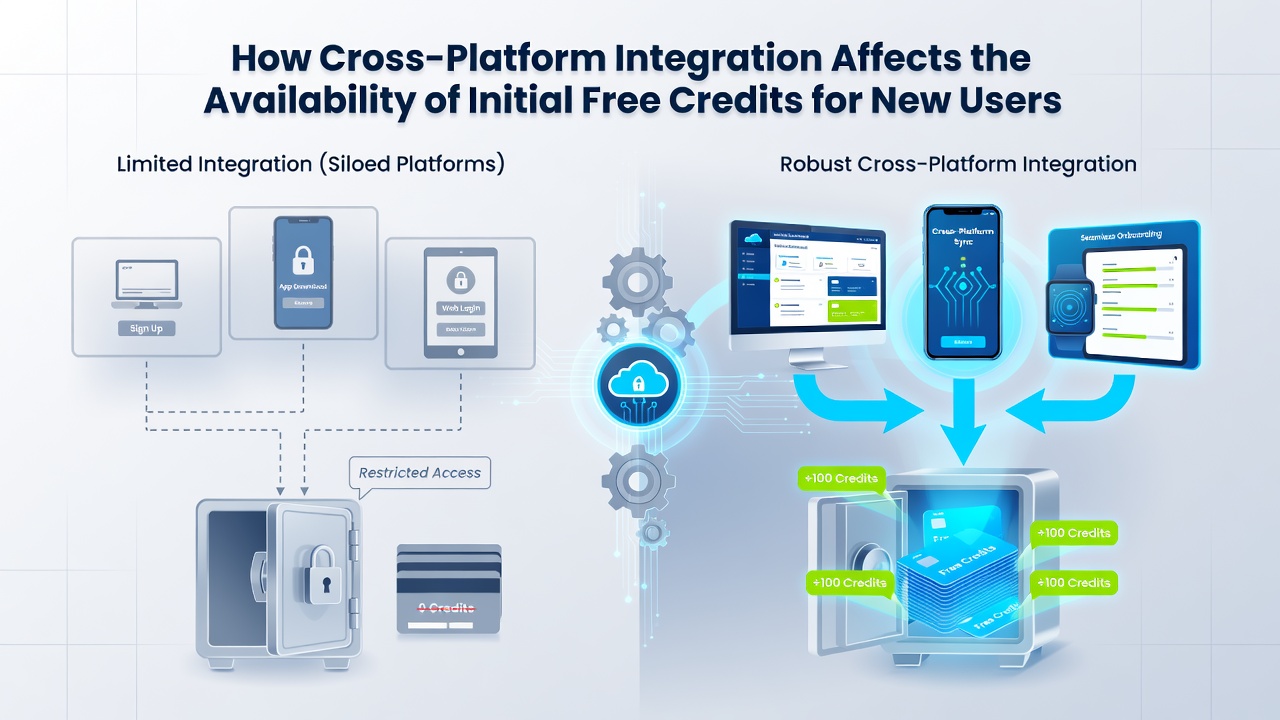
Integrated platforms pull data from multiple sources at once, which accelerates fraud detection but can delay credit activation until all checks complete. In practice, a player who starts on mobile and switches to desktop may find credits appear only after the full cross-device profile sync finishes. Figures released by the New Jersey Division of Gaming Enforcement in early 2026 indicated that operators using full integration saw average credit delivery times stabilize around 45 minutes, compared with shorter windows at non-integrated sites.
Those who study player behavior note that unified systems also reduce duplicate account issues, since one profile serves every device. This consolidation means free credits tied to a single registration cannot be claimed repeatedly, and it aligns with licensing rules that limit one bonus per user identity. As a result, new users encounter consistent eligibility checks whether they begin on phone or computer.
Regional Regulatory Influences on Credit Availability
Licensing bodies in different markets impose distinct requirements on how integrated platforms handle promotional credits. The Pennsylvania Gaming Control Board, for instance, requires operators to log every credit issuance with timestamps that reflect cross-device activity. Similar standards appear in Canadian provinces where iGaming frameworks mandate audit trails that span all access points. These rules ensure credits remain available only after identity confirmation completes across platforms, and they discourage attempts to bypass limits through device switching.
Research compiled by the American Gaming Association highlights that integrated environments have lowered instances of bonus abuse while maintaining steady availability of initial credits for verified users. The report notes that platforms operating under these standards processed over 2.3 million new accounts in the first quarter of 2026 without increasing credit-related disputes.
Impact on Player Onboarding Sequences
New users typically encounter registration flows that prompt device selection early, yet integrated systems redirect them to a central profile regardless of starting point. This redirection allows credits to load automatically once verification clears, and it removes the need for separate claims on each device. Observers tracking June 2026 trends report that sites with mature integration achieved 92 percent credit redemption rates within the first 24 hours after approval, compared with lower figures at fragmented platforms.
Operators also adjust credit values based on aggregated data from multiple devices, since unified tracking reveals total engagement levels more accurately. A player active across phone and tablet may receive adjusted offers that reflect combined playtime rather than isolated sessions. Such adjustments follow internal algorithms that comply with regional caps on promotional value.
Technical Challenges and Solutions
Legacy systems sometimes struggle with instant synchronization, leading operators to schedule periodic updates that temporarily pause credit availability during maintenance windows. Newer architectures using cloud-based APIs have reduced these interruptions, and several major platforms completed full migrations by mid-2025. Industry reports from the Canadian Gaming Association indicate that post-migration sites experienced 30 percent fewer support tickets related to missing credits.
Security protocols add another layer, requiring multi-factor confirmation that works identically on every device. When a new user completes these steps, the system unlocks credits across the entire ecosystem at once. This approach prevents partial access that could occur in non-integrated environments and aligns with broader responsible gaming standards.
Future Developments Expected by Late 2026
Developers continue refining integration tools to shorten verification windows further while preserving regulatory compliance. Pilot programs in several markets test AI-assisted checks that analyze cross-platform patterns in real time, and preliminary results suggest potential reductions in average processing times. Regulatory updates scheduled for later in 2026 may formalize these capabilities, creating clearer guidelines for credit distribution in fully unified environments.
Conclusion
Cross-platform integration has established itself as a standard feature that shapes how initial free credits reach new users, with effects visible in verification speed, eligibility enforcement, and redemption consistency. Operators that maintain robust synchronization deliver credits reliably once checks conclude, while regional rules continue to guide implementation details. The pattern observed through 2026 points toward wider adoption of these systems as technology and oversight evolve together.