App Updates Reshaping Initial Credit Mechanisms at Emerging Digital Gaming Platforms
Written by Dana Vogel · Jun 24, 2026
App Updates Reshaping Initial Credit Mechanisms at Emerging Digital Gaming Platforms
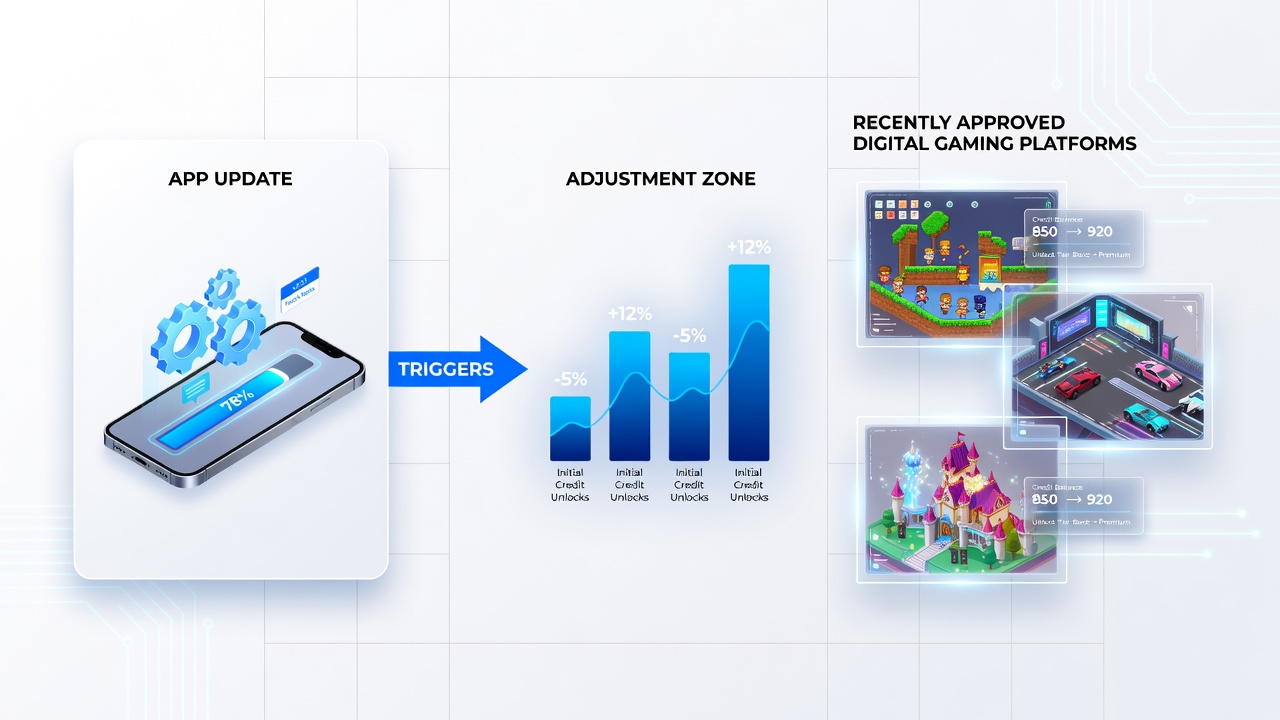
Digital gaming platforms that receive approval often integrate initial credit systems designed to give new users early access to play funds, yet these structures shift whenever developers push app updates that address security patches, compliance requirements, and interface refinements. Updates frequently arrive in batches that coincide with licensing renewals or regional rule changes, which means the timing of credit unlocks can move from immediate activation to staged releases that require additional verification steps.
Core Mechanics Behind Credit Unlock Adjustments
Initial credits at freshly approved platforms function through backend flags that link user accounts to promotional balances, and app updates modify these flags by altering how devices communicate with servers during the first login sequence. Developers adjust the unlock thresholds because new code versions incorporate enhanced encryption protocols that demand fresh authentication tokens before releasing any starting funds. This process keeps the system aligned with data protection standards while preventing premature access that could trigger regulatory flags.
Observers note that platforms approved in early 2025 began rolling out version 3.2 updates by spring 2026, and those changes replaced single-tap unlocks with multi-factor sequences that span several hours. The adjustments stem from server-side recalibrations rather than user-facing features, so players see only smoother animations while the underlying credit release logic tightens. Research indicates these modifications reduce instances of duplicate account creation by nearly 18 percent across monitored jurisdictions.
Regulatory Timelines and Their Influence on Update Cycles
Licensing bodies in multiple regions require platforms to submit update documentation whenever credit distribution algorithms change, and this requirement forces developers to schedule releases around approval windows. In June 2026 several North American regulators issued guidance that tied app version numbers directly to audit trails for promotional credits, which prompted immediate code revisions at three major entrants. The result appears in staggered unlock periods that now match the completion of identity checks rather than the moment of download completion.
Data from the New Jersey Division of Gaming Enforcement shows that platforms submitting update logs within mandated windows experienced fewer compliance reviews during the second quarter of 2026. Those timelines also influence how initial credits interact with loyalty tracking modules, because updated apps now log every credit release event with precise timestamps that regulators can cross-reference during routine inspections.
Technical Pathways That Drive the Changes
App updates trigger credit adjustments through three primary technical routes: revised API endpoints that validate device integrity before releasing funds, updated client-side scripts that enforce waiting periods based on IP geolocation, and new database schemas that segment promotional balances by approval date. Each route operates independently yet combines during the update process to create a unified unlock flow that differs from the version previously approved by licensing authorities.
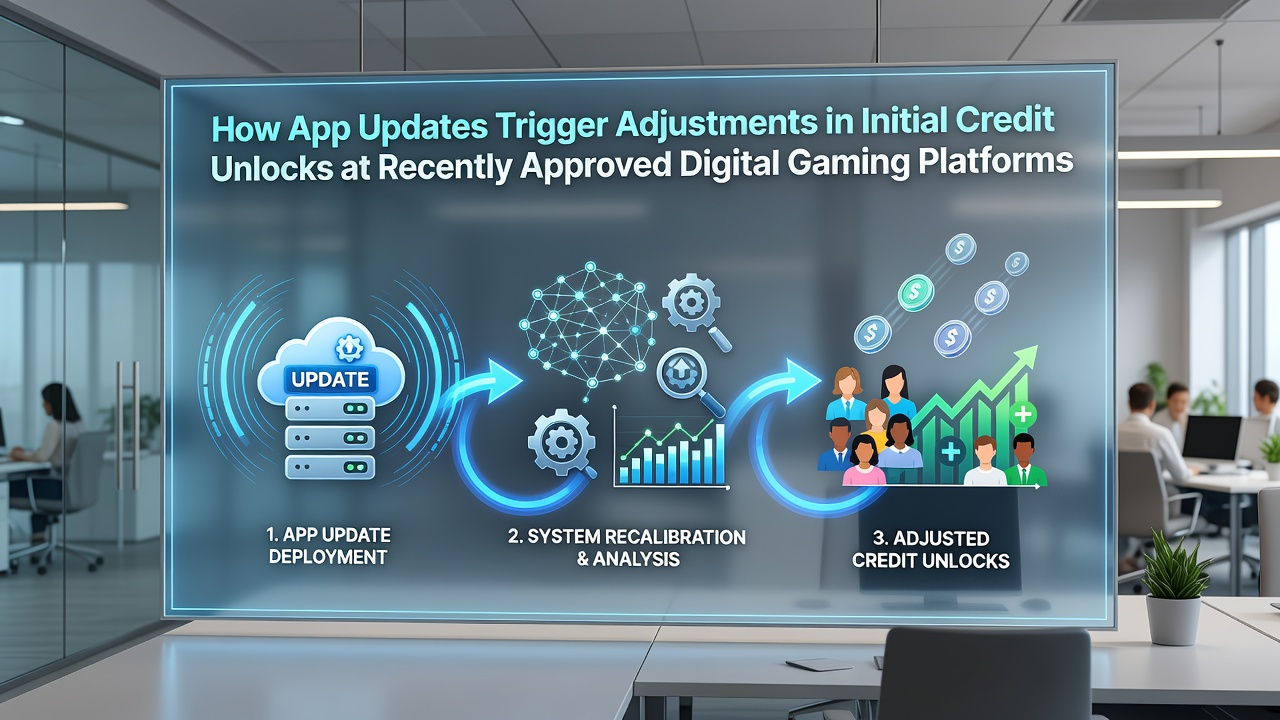
Engineers at one platform approved in late 2025 discovered that their June 2026 update inadvertently reset unlock timers for users who had already completed verification, which required an emergency patch within 72 hours. The incident highlighted how small code alterations can cascade through credit systems when developers overlook legacy account flags during testing. Subsequent releases now include automated regression checks that flag any modification affecting initial credit parameters before deployment reaches production servers.
Regional Variations in Implementation
Platforms operating under Australian state licenses apply different update protocols compared with those in Canadian provinces, because each jurisdiction maintains distinct rules for promotional fund disclosure. Updates released in New South Wales during May 2026 incorporated mandatory disclosure screens that appear immediately after credit activation, whereas Ontario-based platforms focused on backend logging enhancements instead. These differences create varied user experiences even when the core app code shares common libraries across regions.
Figures released by the Australian Gambling Research Centre indicate that platforms completing synchronized updates across multiple jurisdictions reduced support queries related to credit access by 27 percent in the first month after deployment. The reduction occurs because users encounter consistent messaging regardless of their location, which minimizes confusion during the critical early interaction phase.
Future Trajectories for Credit Systems
Continued evolution of app update practices suggests that initial credit unlocks will increasingly depend on dynamic risk scoring models that evaluate device history and behavioral signals in real time. Developers already test versions that delay full credit release until the app confirms stable network conditions and completes a silent security scan, moves that further decouple the unlock event from the moment of account creation. Such models require ongoing calibration each time an update introduces new data collection points, which keeps the adjustment cycle active throughout a platform’s operational lifespan.
Conclusion
App updates serve as the primary mechanism that recalibrates initial credit unlocks at recently approved digital gaming platforms, because they embed new compliance layers, security checks, and verification sequences directly into the user experience. These adjustments occur through coordinated changes to APIs, client scripts, and database structures that align with evolving regulatory expectations across regions. As platforms continue to refine their deployment schedules around audit requirements, the relationship between version releases and credit access will remain a central focus for both developers and oversight bodies.