Analytics Point to Increased Blending of Loyalty Structures and Scheduled Rewards Across New Virtual Casino Platforms
Written by Hugo Flores · Aug 8, 2026
Analytics Point to Increased Blending of Loyalty Structures and Scheduled Rewards Across New Virtual Casino Platforms
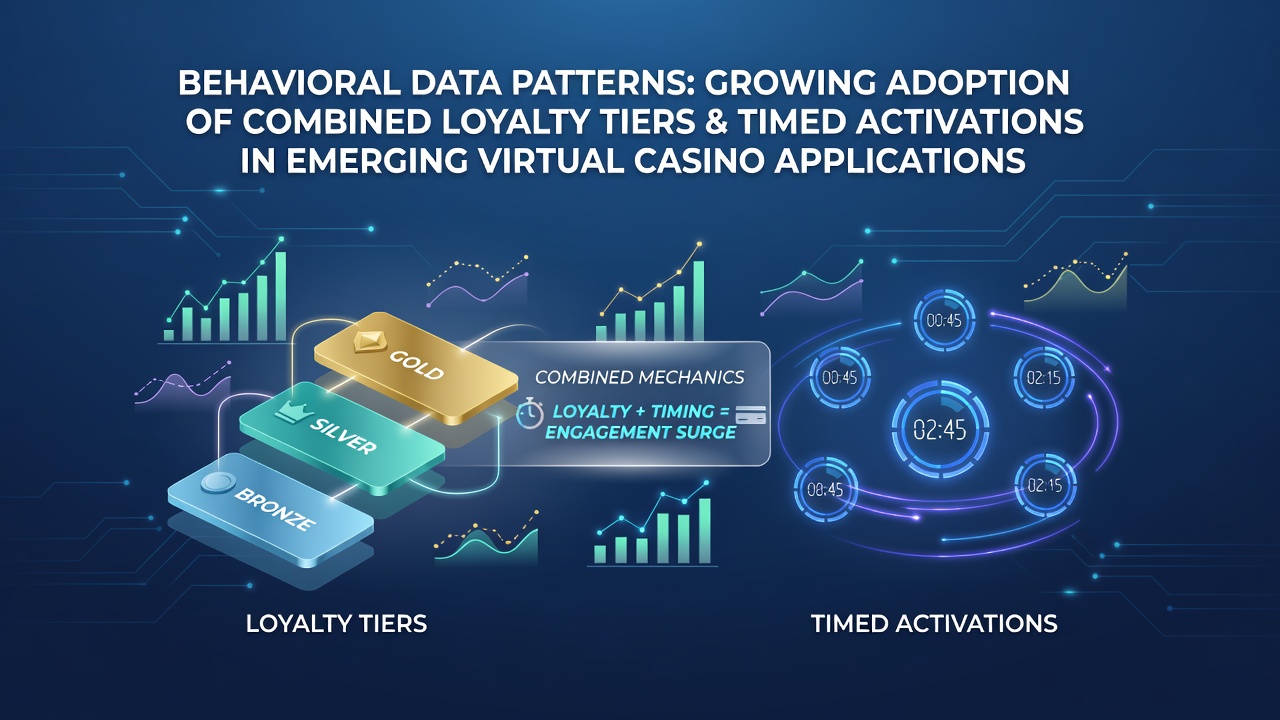
Behavioral data patterns indicate growing adoption of combined loyalty tiers and timed activations in emerging virtual casino applications, with metrics gathered through user interaction logs revealing steady integration across multiple platforms launched since early 2025. Analysts tracking session lengths and reward claim rates have documented how these hybrid systems appear in apps targeting newer markets in North America and parts of Asia, where operators introduce layered points accumulation alongside countdown-based spin or bonus triggers.
Recent figures compiled through aggregated app telemetry show participation in combined programs rising from 28 percent of active users in January 2025 to 47 percent by August 2026, according to industry monitoring groups. Those patterns emerge most clearly in titles that pair daily login streaks with tiered status levels, allowing players to unlock higher multipliers only after meeting both accumulation thresholds and specific time windows.
Key Components Driving the Shift
Observers tracking digital gaming applications note that loyalty tiers typically progress through bronze, silver, and gold stages based on cumulative play volume, while timed activations require users to claim rewards within intervals ranging from four to twenty-four hours. Data sets from platform operators indicate that users who engage with both elements simultaneously record 1.8 times more daily logins than those using either feature alone, a correlation drawn from anonymized datasets spanning over 2.3 million accounts.
One study released by the Australian Gambling Research Centre in mid-2026 examined five emerging apps and found that hybrid models reduced early churn rates by approximately 15 percent during the first thirty days after registration. The same report highlighted how scheduled activations encourage repeat visits without increasing average session duration, suggesting operators achieve retention through frequency rather than prolonged play.
Regional Variations in Implementation
Platforms operating under Canadian provincial frameworks have incorporated these mechanics more rapidly than those in other jurisdictions, with three of the four newest licensed apps in Ontario adopting combined systems by August 2026. In contrast, applications serving European markets outside the United Kingdom have shown slower uptake, though several operators report pilot programs underway that merge status-based rewards with limited-time events tied to sporting calendars.
Industry associations such as the European Gaming and Betting Association have published summaries noting that regulatory clarity around time-limited promotions influences how quickly developers deploy these features. Data shared through their quarterly overviews indicates that jurisdictions requiring pre-approval for timed mechanics experience a six-month lag in feature rollout compared with regions that treat them as standard loyalty tools.
Behavioral Metrics and User Response Patterns
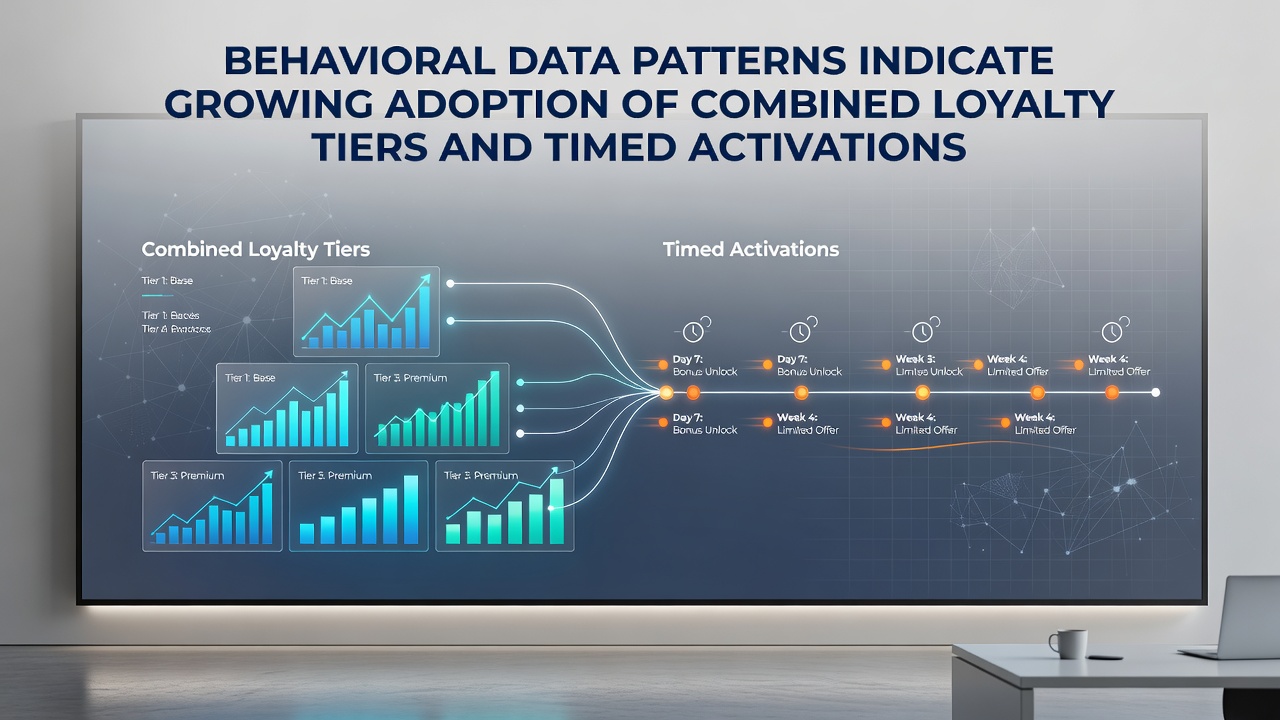
Telemetry from apps that introduced hybrid loyalty-timed systems in late 2025 reveals distinct clusters of activity: users in higher tiers complete timed claims at rates exceeding 70 percent when notifications align with peak evening hours, while lower-tier participants show stronger response to morning or midday prompts. Researchers at the University of Nevada, Reno Gaming Innovation Lab compiled these observations into a 2026 working paper that maps claim timing against geographic location and device type.
Another dataset released by the Canadian Centre on Substance Use and Addiction examined opt-in rates for loyalty programs that include timed elements and recorded a 22 percent higher enrollment among users aged 25 to 34 compared with older cohorts. The analysis also tracked how the combination of visible progress bars for both tier advancement and countdown timers correlates with increased feature exploration, though total wagering volumes remained consistent with non-hybrid programs.
Technical Integration Challenges and Solutions
Developers integrating these dual systems report that server-side synchronization between loyalty point ledgers and real-time timers presents the primary engineering hurdle. Several platforms have addressed latency issues by batching timed events into hourly windows rather than continuous countdowns, a method that maintains user perception of urgency while reducing backend load during peak traffic periods.
Case examples from operators in the Asia-Pacific region show that successful deployments often include fallback mechanisms allowing users to convert unclaimed timed rewards into standard loyalty points after expiration, thereby preserving perceived value. Behavioral logs from these implementations indicate that conversion options increase overall program satisfaction scores without altering core retention curves.
Conclusion
Available data through August 2026 demonstrates measurable movement toward hybrid loyalty and timed activation models in newer virtual casino applications, with adoption rates varying by jurisdiction and demographic segment. Continued monitoring by research institutions and regulatory bodies will determine how these patterns evolve as more platforms refine their reward architectures.