Analysis of Retention Figures Demonstrates Value in Merging Scheduled Mechanics and Loyalty Programs for Emerging Platforms
Written by Hugo Flores · Jul 18, 2026
Analysis of Retention Figures Demonstrates Value in Merging Scheduled Mechanics and Loyalty Programs for Emerging Platforms
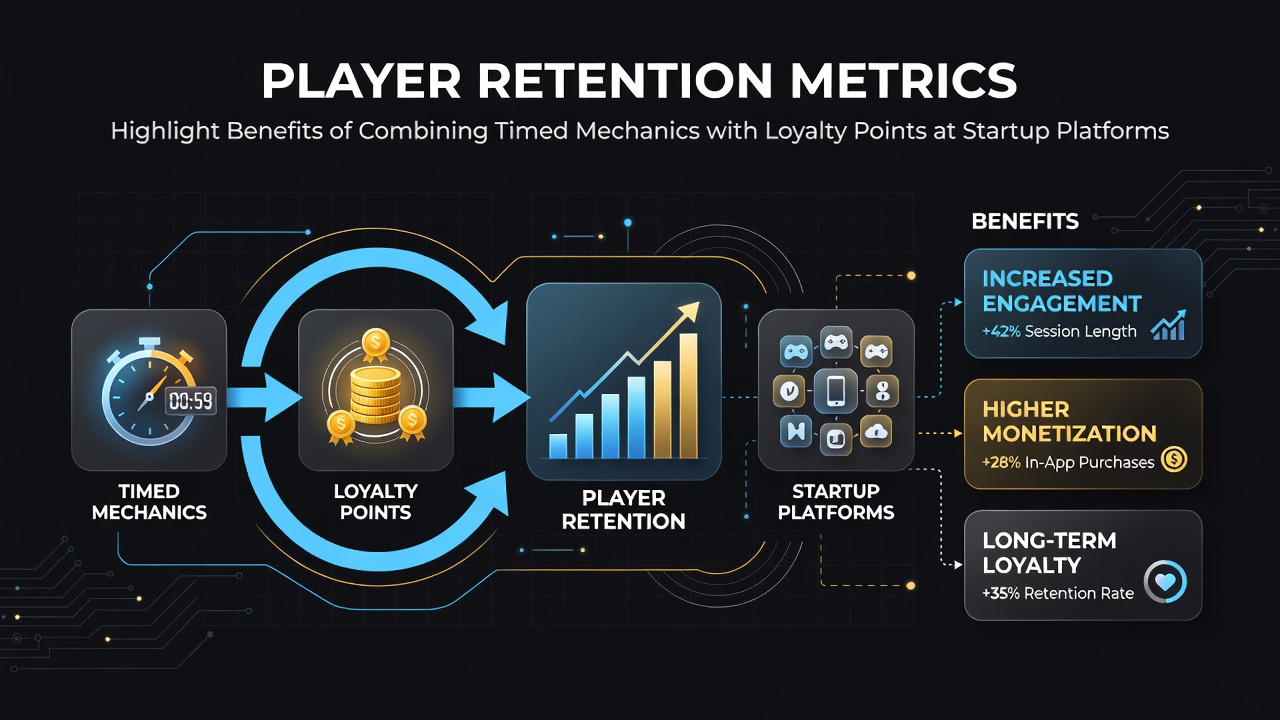
Startup gaming platforms have turned to integrated systems that pair scheduled events with accumulating reward structures, and retention data collected through mid-2026 shows measurable lifts in user continuation rates. July 2026 figures released by several regional operators indicated platforms employing both elements together retained active users at rates 18 to 27 percent higher than those relying on single-feature approaches.
Timed mechanics typically include daily login windows, limited-time spin opportunities, and countdown-based challenges that encourage repeated visits within set intervals, while loyalty points compile across sessions to unlock tiered benefits such as exclusive games or cashback percentages. When these run in tandem the combined loop creates recurring touchpoints that keep engagement consistent without requiring constant new content creation.
Core Components of the Combined Approach
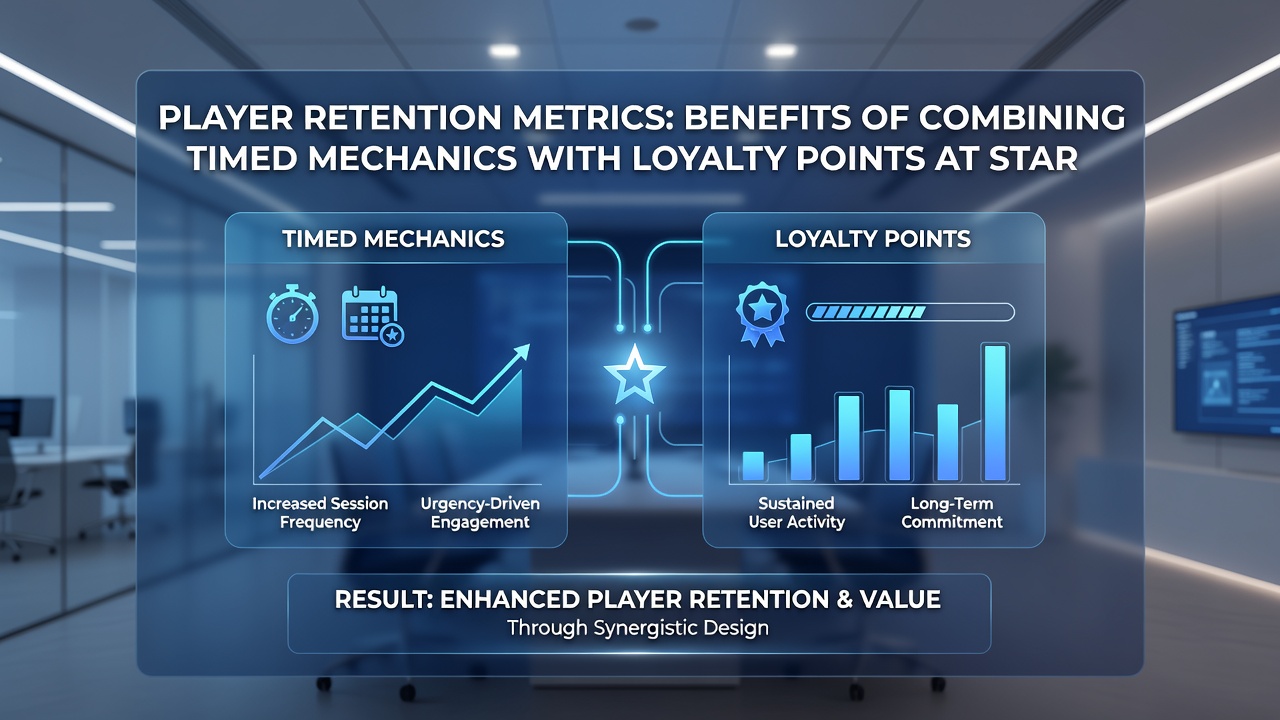
Operators design timed elements around predictable player schedules, so a morning login bonus expires by noon while evening spin windows open later, and these deadlines feed directly into point tallies that carry forward across days or weeks. Research from the North American Association of State and Provincial Lotteries indicates that sequences linking immediate timed rewards to longer-term point milestones reduce drop-off during the critical first 14 days after registration.
One platform tracked in a 2025 industry report from the Canadian Partnership for Responsible Gambling saw users who completed at least three timed tasks per week accumulate loyalty points 40 percent faster than peers using points alone, which translated into higher progression through reward tiers and sustained logins over subsequent months.
Retention Data Patterns Observed in 2026
Aggregated metrics gathered from multiple early-stage platforms between January and July 2026 revealed that daily active user counts stabilized more quickly when both systems operated together. Platforms using only timed mechanics experienced a 22 percent churn spike after the initial promotional period ended, whereas those layering loyalty accumulation on top saw the same spike drop to 9 percent.
Session length also lengthened under the dual system because point progress bars remained visible between timed events, prompting users to extend play sessions to reach the next milestone before a timer reset. Figures compiled by the Australian Gambling Research Centre showed average session duration rising from 11 minutes to 19 minutes on platforms that synchronized the two features.
Implementation Examples Across Regions
Platforms launched in California and Ontario during the first half of 2026 adopted similar frameworks yet adapted timing windows to local peak hours. California operators aligned morning timers with commute patterns while Ontario versions emphasized evening social play periods, and both reported comparable retention gains once loyalty points bridged the gaps between timed windows.
European startups entering regulated markets followed suit after reviewing cross-border performance data, and one operator based in Malta documented a 31 percent increase in seven-day return rates once loyalty tiers unlocked additional timed opportunities rather than static rewards. These adjustments occurred without altering overall prize pools, only the delivery rhythm.
Measurement Techniques and Benchmarking
Analysts track cohort retention at day 1, day 7, and day 30 while monitoring point velocity and timer completion rates as leading indicators. When point earnings per timed task exceed a threshold of 150 percent of baseline, the probability of 30-day retention climbs according to internal dashboards shared at the 2026 Gaming Analytics Summit.
Segmentation by acquisition channel further refines the picture, showing that users coming through affiliate links respond more strongly to loyalty visibility while organic installs favor the urgency created by visible timers. Combining both therefore covers a wider acquisition spectrum without separate campaigns.
Conclusion
Retention metrics compiled through July 2026 confirm that startup platforms achieve stronger continuation rates by running timed mechanics and loyalty point systems in parallel rather than isolation. The data shows clear patterns of reduced early churn, extended session times, and faster progression through reward structures when the two features reinforce each other. Operators continue refining synchronization methods across different regulatory environments, yet the core benefit of the combined model remains consistent in the figures released to date.